Swami SharanamGuruswami Guide Back To Home
Leadership in the Yatra

The Guruswami: guide, guardian, and living example

A true Guruswami does not lead by noise or personal fame. He leads by discipline, patience, and the willingness to carry the spiritual and practical burden of the entire batch.

Use this guide to understand the role, ethics, oath, Yogadhandu symbolism, and 18th-journey responsibilities expected of a genuine Guruswami.

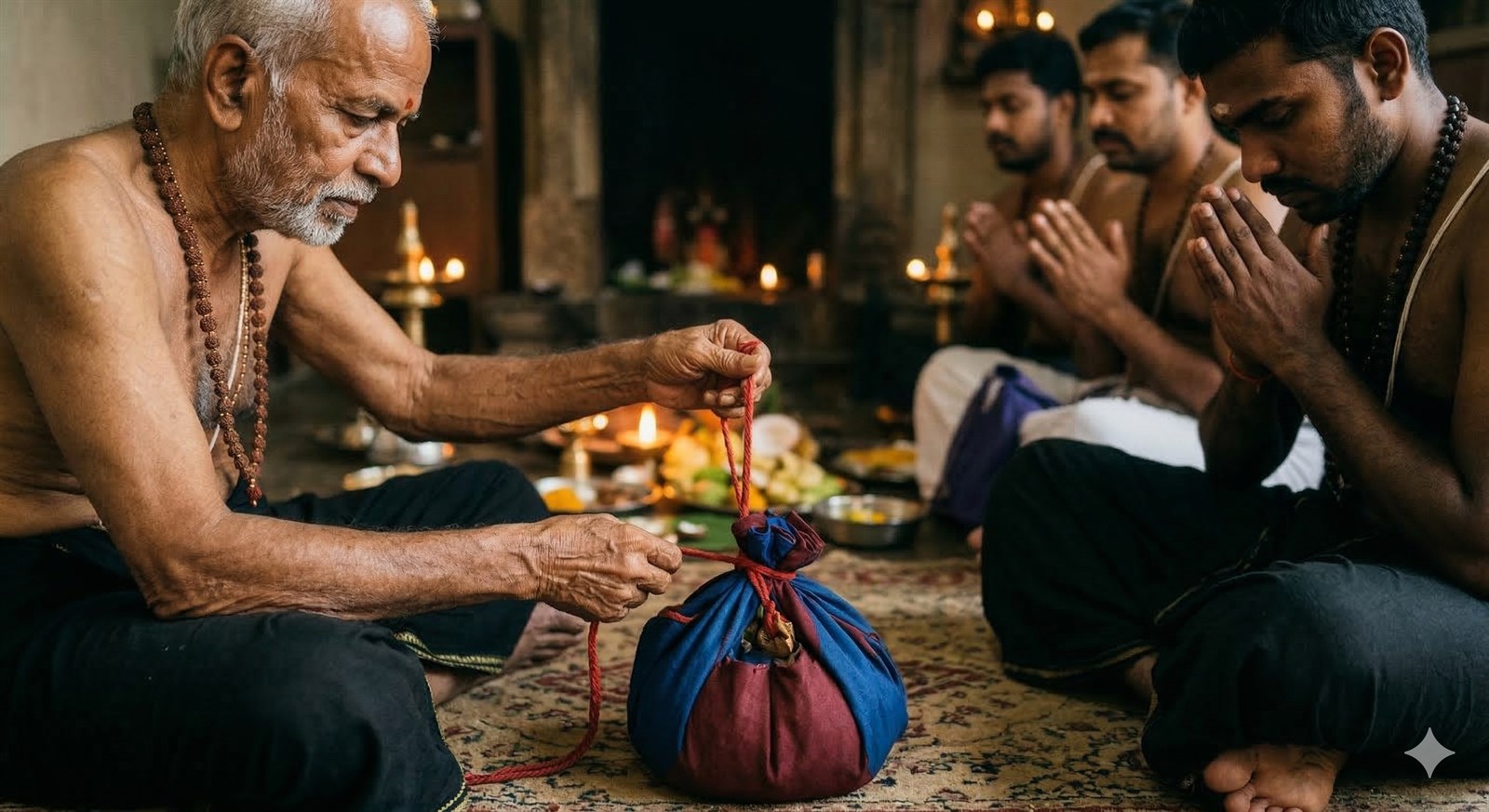
Guruswami guiding pilgrims with discipline and devotion

Core responsibilities

Spiritual guardianship

The Guruswami initiates the devotee into Maaladharanam, keeps the group aligned to the 41-day discipline, and teaches bhajans, Saranam Vilis, and the deeper meaning of the yatra.

Kettunira leadership

He oversees the draining, filling, sealing, and tying of the Mudra Thenga, and ensures the Munmudi and Pinmudi are packed according to tradition.

Guidance during the trek

On the path, his role becomes protective. He sets the pace, watches the elderly and the Kanni Ayyappans, and keeps the group united at Pamba, Saramkuthi, and the 18 Holy Steps.

Post-pilgrimage duty

Even after Darshan, the Guruswami remains responsible for proper Mala removal, calm return discipline, and lifelong mentoring rather than one-season authority.

Erumeli to Saramkuthi

A batch looks to the Guruswami for route decisions, rest timing, pacing, and the right ritual mood at each landmark. His steadiness often decides whether the journey stays devotional or becomes chaotic.

Pamba discipline

At Pamba, he helps the group settle for bath, Bali Idal, medical judgment, first-time pilgrim rituals, and the climb decision for weak members of the batch.

Saramkuthi and Kanni Ayyappans

He ensures that first-time pilgrims do not forget their Sarakkol and that the arrow is offered only at the right place and in the right spirit.

The 18 Holy Steps

The Guruswami leads the group into the Pathinettampadi with inward focus, reminding each pilgrim that ascent is not merely physical but spiritual.

Yogadhandu and the 18th journey

Yogadhandu

The T-shaped Yogadhandu carried by some experienced pilgrims symbolizes yogic support, inner balance, and the central spiritual channel. In the hands of a genuine Guruswami, it represents responsibility rather than status.

Planting the coconut sapling

When a devotee completes the 18th sacred journey, tradition remembers a transition into Guruswami responsibility. Planting a coconut sapling at the Sannidhanam is understood as leaving a living witness to that long discipline.

Are you completing your 18th journey this year? Do not forget to procure a healthy coconut sapling from the Devaswom nurseries at Pamba or Nilakkal so that your milestone becomes a living offering for future pilgrims.

Guruswami ethics: responsible signs and warning signs

AreaThe responsible GuruswamiWarning sign
FinancialsAccepts only voluntary dakshina and focuses on Annadanam spiritDemands fixed fees or luxury feasts for himself
EqualityTreats all pilgrims alike as SwamisCreates hierarchy based on wealth or influence
TemperamentRemains patient, calm, and sattvicBecomes harsh, irritable, or arrogant
DevotionFocuses on Tatvamasi and inner growthFocuses on personal fame and year count

The Guruswami's Oath

I, having completed the sacred 18 journeys to the hill-shrine, do hereby solemnly pledge to act as the spiritual guardian of this group. I will lead not by authority, but by example, following every rule of the Vrutham more strictly than my disciples. I will see the form of Lord Manikandan in every pilgrim, treating them with patience, humility, and love. I will prioritize the safety and spiritual well-being of the Kanni Ayyappans above my own comfort. I will maintain the purity of the Kettunira and impart the true meaning of Tatvamasi to all who follow me. Swamiye Saranam Ayyappa.