Swami SharanamMalikappuram Devi Back To Home
Malikappurathamma

Malikappuram: the goddess shrine that completes the Sannidhanam visit

After the Darshan of Lord Ayyappa, devotees traditionally move north toward Malikappurathamma. This visit brings emotional completeness to the yatra and keeps alive the legend of the goddess whose annual wait is renewed whenever a Kanni Ayyappan arrives.

Why Malikappuram matters

After the main Darshan

For many pilgrims, Malikappuram is the most important shrine after the Ayyappa temple itself. It represents grace, protection, and the sacred feminine dimension of the pilgrimage.

The promise of the legend

The visit is tied to the tradition that the Lord's promise to Malikappurathamma remains deferred every year because first-time pilgrims still come to him. That is why the Kanni Ayyappan ritual at Saramkuthi is remembered here as well.

Direction for pilgrims

After the Darshan of Lord Ayyappa, devotees usually proceed to the left or north side of the main shrine to reach the Malikappuram complex.
Major rituals and nerchakal

Thengai Uruttu

The most famous Malikappuram ritual. Devotees roll the coconut around the shrine instead of breaking it, symbolically rolling away ego, delay, and worldly obstacles at the feet of the Goddess.

Manjal Podi Arattu

Turmeric powder is a classic offering to the feminine divine. Pilgrims seek health, protection, and auspicious family blessings through this act.

Pattu Charthal

Offering silk cloth, saree, or blouse piece is associated with marriage prayers, family prosperity, and the fulfillment of long-cherished vows.

Kumkumam

Vermilion is among the most common offerings at the shrine. The prasadam is revered as protective and especially meaningful for household well-being.

Punnagapoo

Flowers, especially those traditionally associated with the Goddess, are offered during special poojas and evening worship.

Aval Nivedyam

Parched rice and jaggery keep alive the memory of a simple forest-style offering and the intimate, non-royal tenderness of the hill tradition.

Bhagawati Seva and sub-shrine circuit

Bhagawati Seva is traditionally performed in the evenings and is booked by devotees who seek relief from evil eye, family distress, or invisible negative pressure.

Valiya Kadutha and guardians

Do not miss the shrines of Kaduthaswamy and Karuppaswamy in the larger Malikappuram orbit. Many pilgrims offer a brief prayer to Valiya Kadutha as the guardian of the hill.

Naga deities and Navagrahas

The Naga shrines and Navagraha points inside the complex are traditionally visited after the main Malikappuram offering flow.

Queue discipline

Keep offerings sorted before entering the inner movement path. During peak crowd conditions, avoid stopping in the middle of the queue for conversation or photography.

The Manimandapam connection

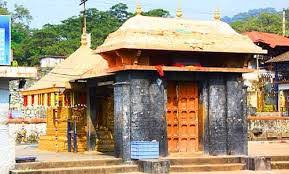
Located right beside the Malikappuram temple, the Manimandapam is the place where the Lord is remembered as the eternal yogi. This is why many pilgrims move from the Devi shrine directly into a minute of silence at Manimandapam before continuing their circuit.

Eternal waiting lamp

The lamp burning near this ritual relationship is read by many devotees as a symbol of the Goddess's unending wait and the Lord's silent inwardness.

Makaravilakku season

During the festival period, the energy of the Malikappuram-Manimandapam axis becomes even more visible because procession, offerings, and waiting all come together in one sacred movement.

Malikappuram shrine area at Sabarimala