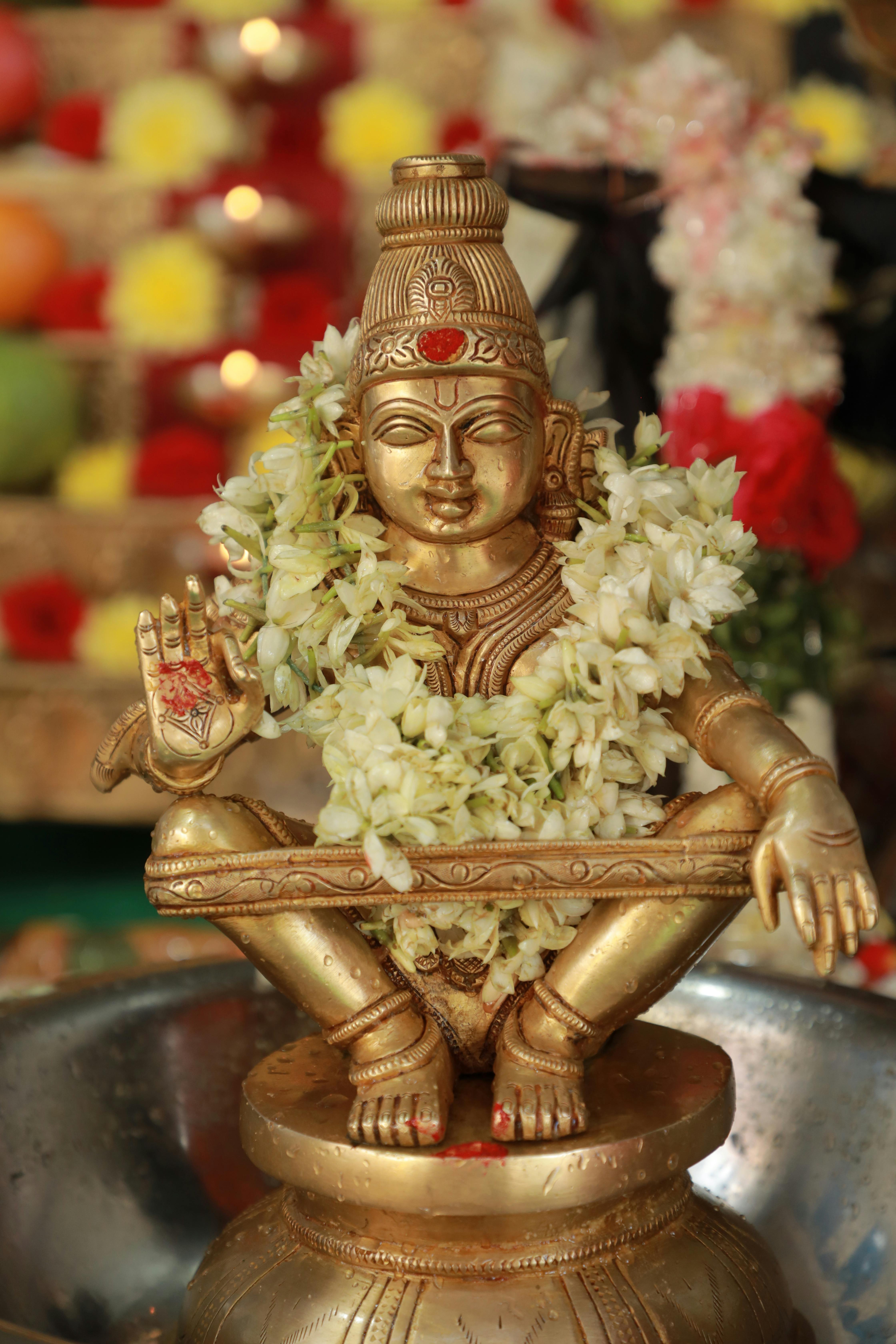
Devotion that stays after darshan
The pilgrimage is fulfilled not only by reaching Sannidhanam, but by preserving the same humility, prayer, and discipline in everyday life.
These teachings help the devotee carry Ayyappa bhakti beyond one season or one journey. They shape the inner life long after darshan is over.
The pilgrimage is fulfilled not only by reaching Sannidhanam, but by preserving the same humility, prayer, and discipline in everyday life.
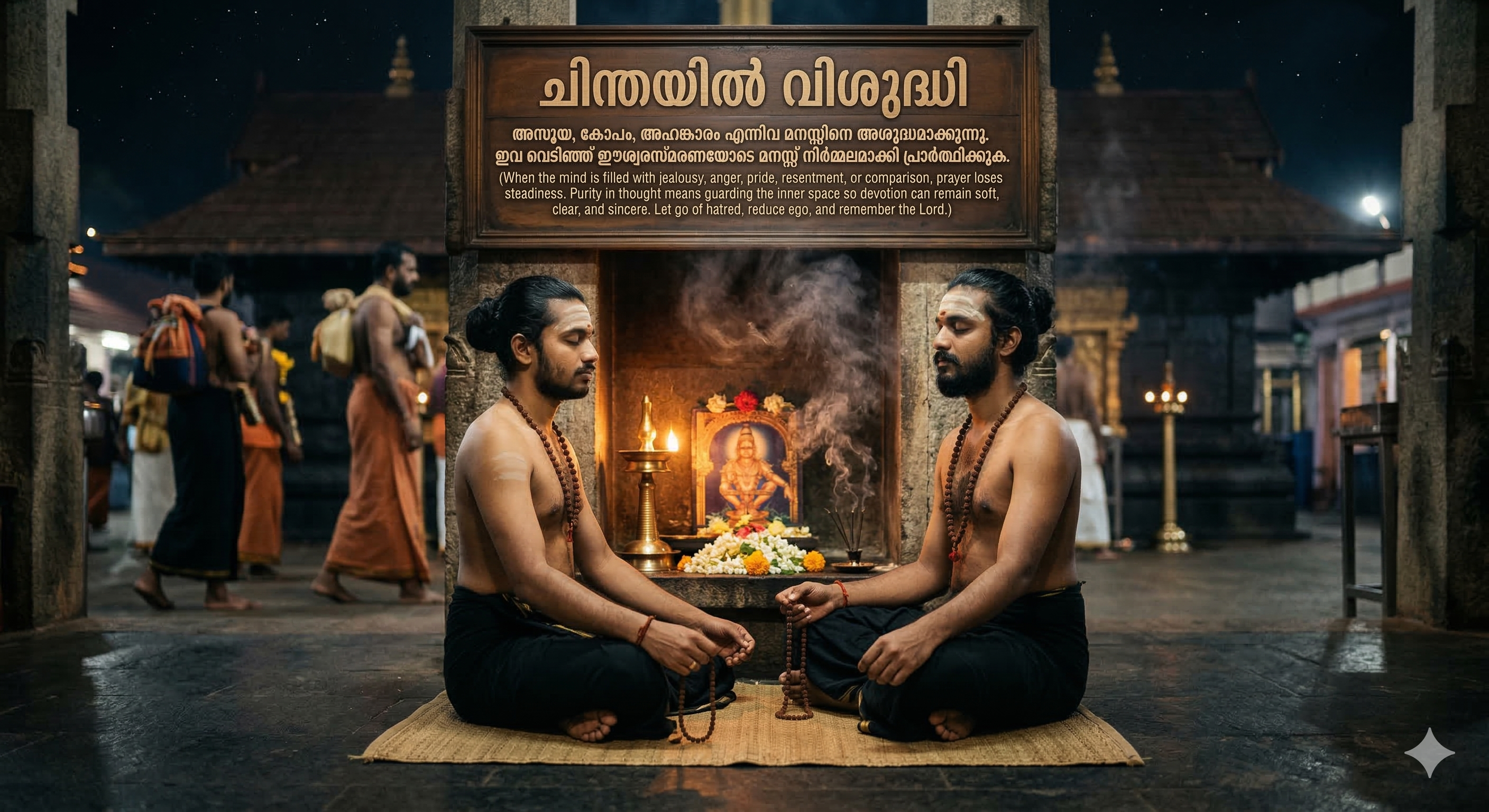
When the mind is filled with jealousy, anger, pride, resentment, or comparison, prayer loses steadiness. Purity in thought means guarding the inner space so devotion can remain soft, clear, and sincere.
For devotees, this teaching is not about forced perfection. It is about repeated inward correction: letting go of hatred, reducing ego, and remembering the Lord before reacting. The cleaner the mind becomes, the more naturally prayer flows.
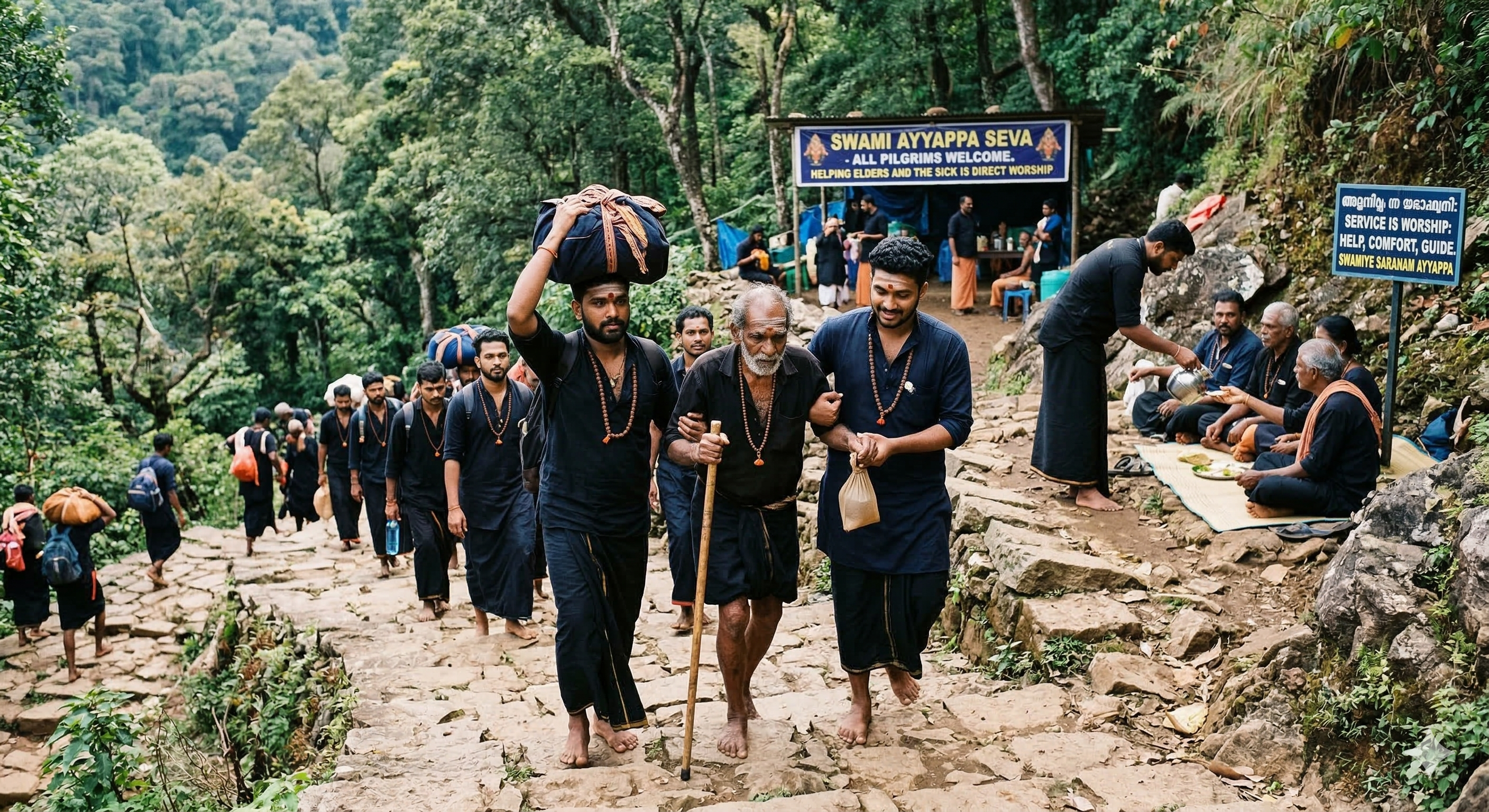
In the Ayyappa path, serving another pilgrim is a sacred act. Carrying water, helping elders, guiding first-time devotees, or offering comfort during difficulty becomes direct worship when done with humility.
Service teaches that devotion is not meant to remain private or self-centered. Grace becomes fuller when it overflows into kindness, patience, and practical care for others.
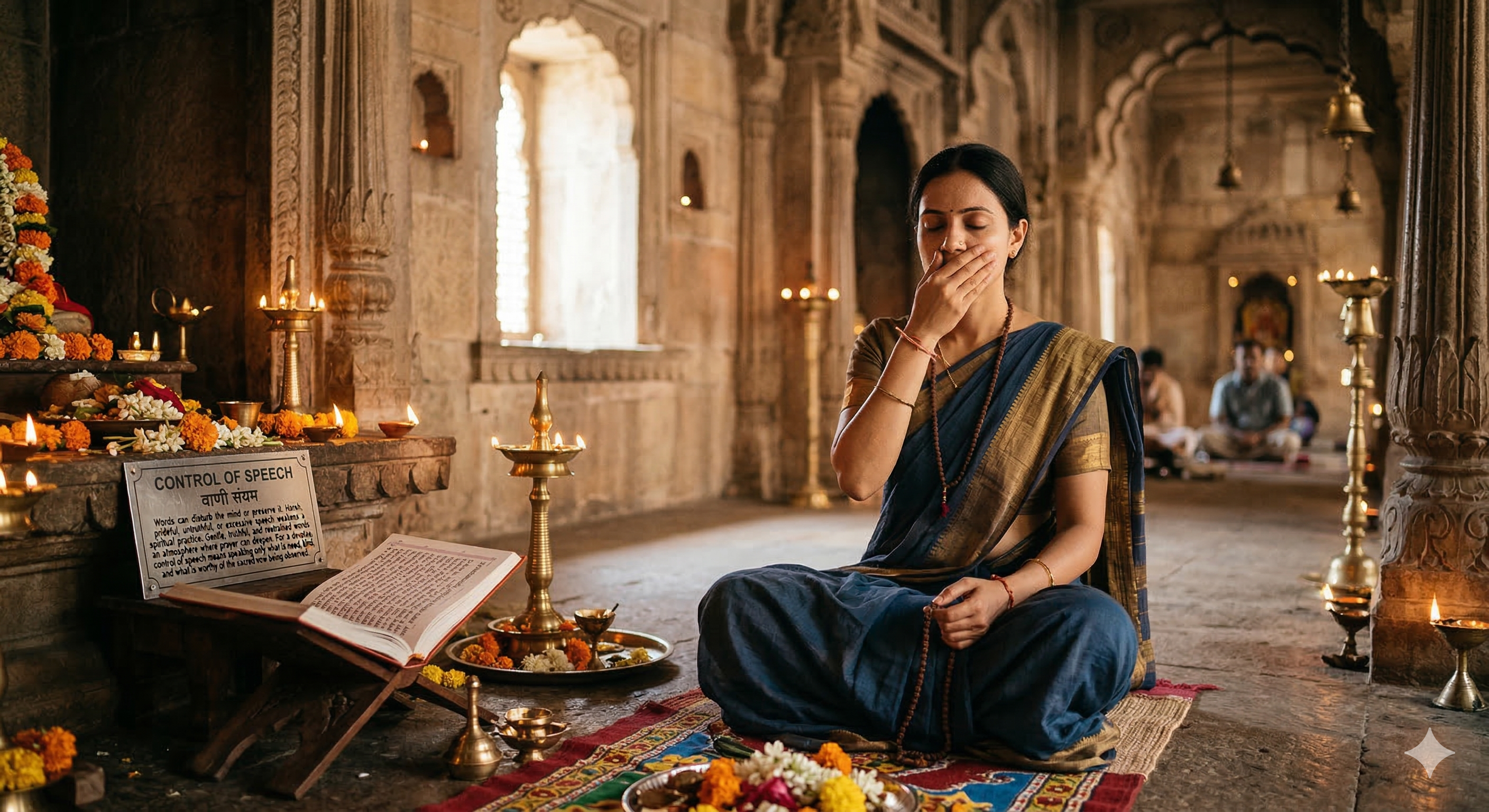
Words can disturb the mind or preserve it. Harsh, prideful, untruthful, or excessive speech weakens spiritual practice. Gentle, truthful, and restrained words create an atmosphere where prayer can deepen.
For a devotee, control of speech means speaking only what is needed, what is kind, and what is worthy of the sacred vow being observed.
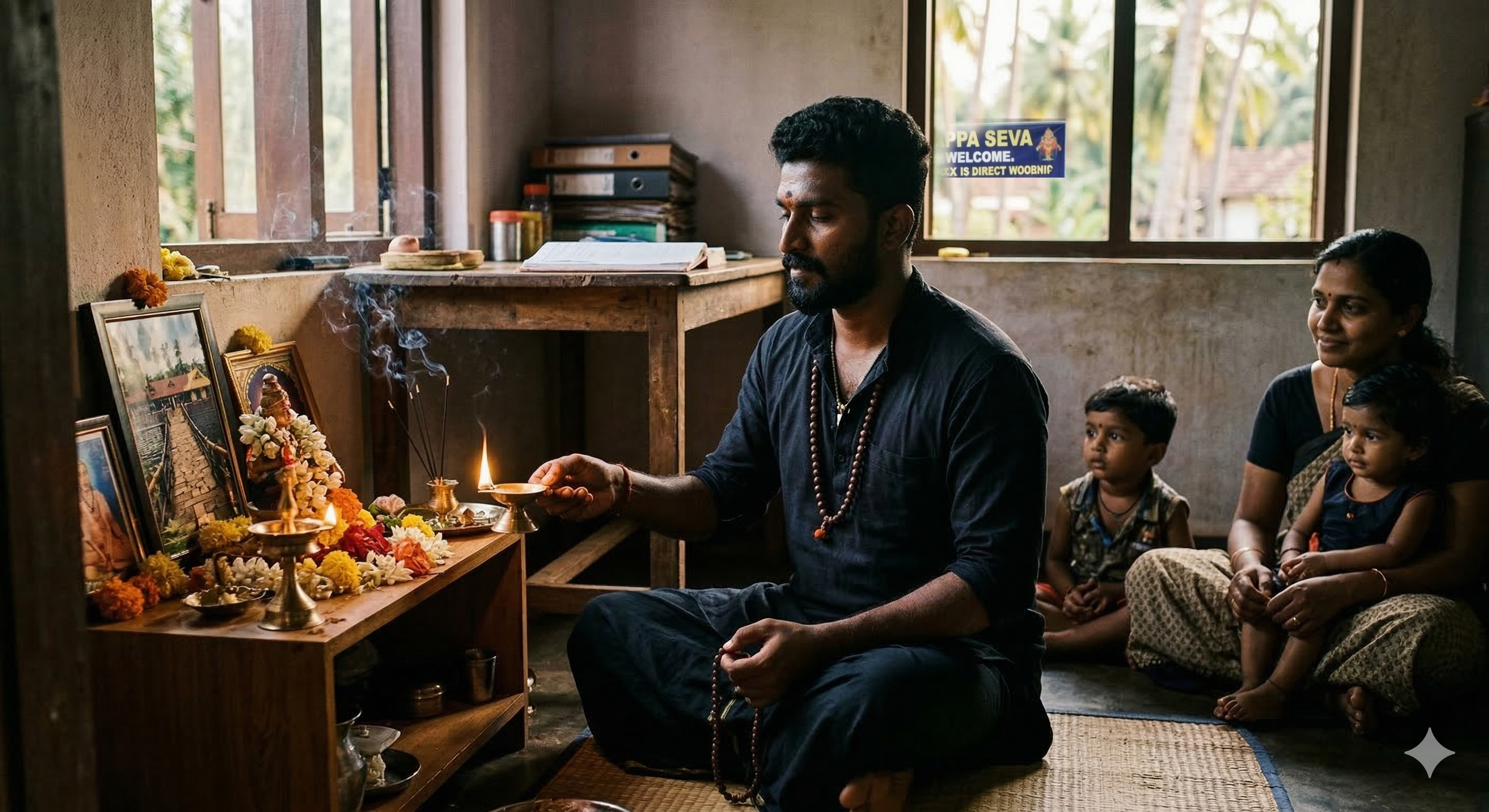
The highest fruit of pilgrimage is not a passing emotion but a lasting remembrance of the Lord. The heart that returns home still carrying Ayyappa in silence, gratitude, and humility has truly received something precious.
Steady remembrance turns ordinary life into a continuation of the pilgrimage. It helps the devotee remain prayerful in the home, workplace, relationships, and responsibilities of daily living.