Swami SharanamSannidhanam and Sacred PathBack To Home
Deep Pilgrimage Guide

Sannidhanam, Malikappuram, Saramkuthi, and the sacred path

This page gathers devotional background on the inner geography of Sabarimala: the sannidhanam, remembered places on the ascent, important deities, ritual atmosphere, and the sacred mood that pilgrims carry through the hills.

Sannidhanam

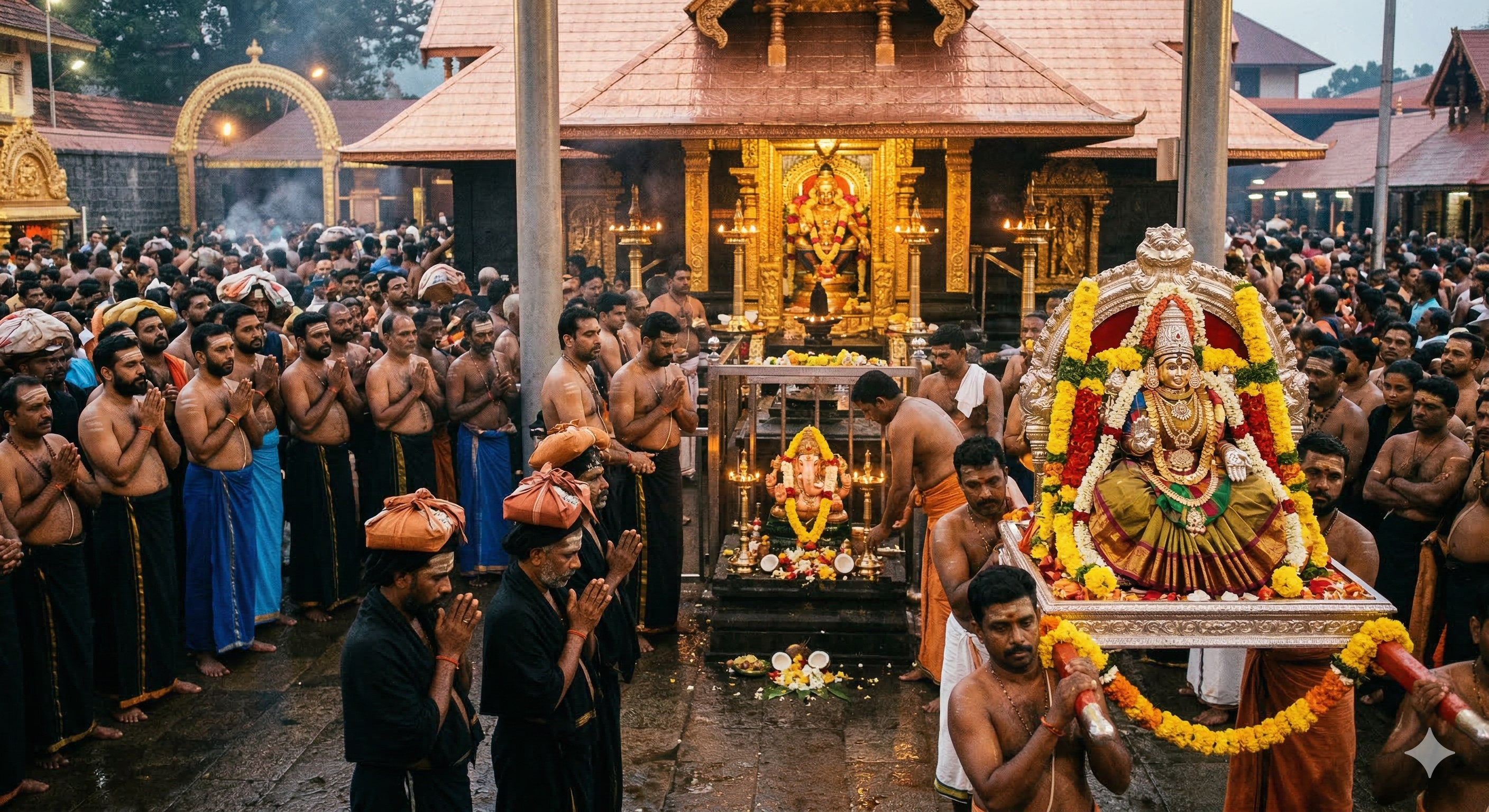
The sannidhanam is the sacred heart of the pilgrimage. For devotees, it is the destination of longing, prayer, discipline, and surrender. The climb, the waiting, the chanting, and the darshan all come to their peak in this sacred temple presence of Lord Ayyappa.

In devotional experience, the sannidhanam is not merely a physical shrine. It is the point where the pilgrim offers the journey itself back to the Lord. The sanctity of the place is felt through stillness, reverence, lamps, poojas, and the shared atmosphere of faith among thousands of devotees.

Tat Tvam Asi - तत्त्वमसि - is the great spiritual reminder associated with this culmination. The devotee who reaches the Lord is finally taught that the divine presence sought outside is also present within the inner consciousness.
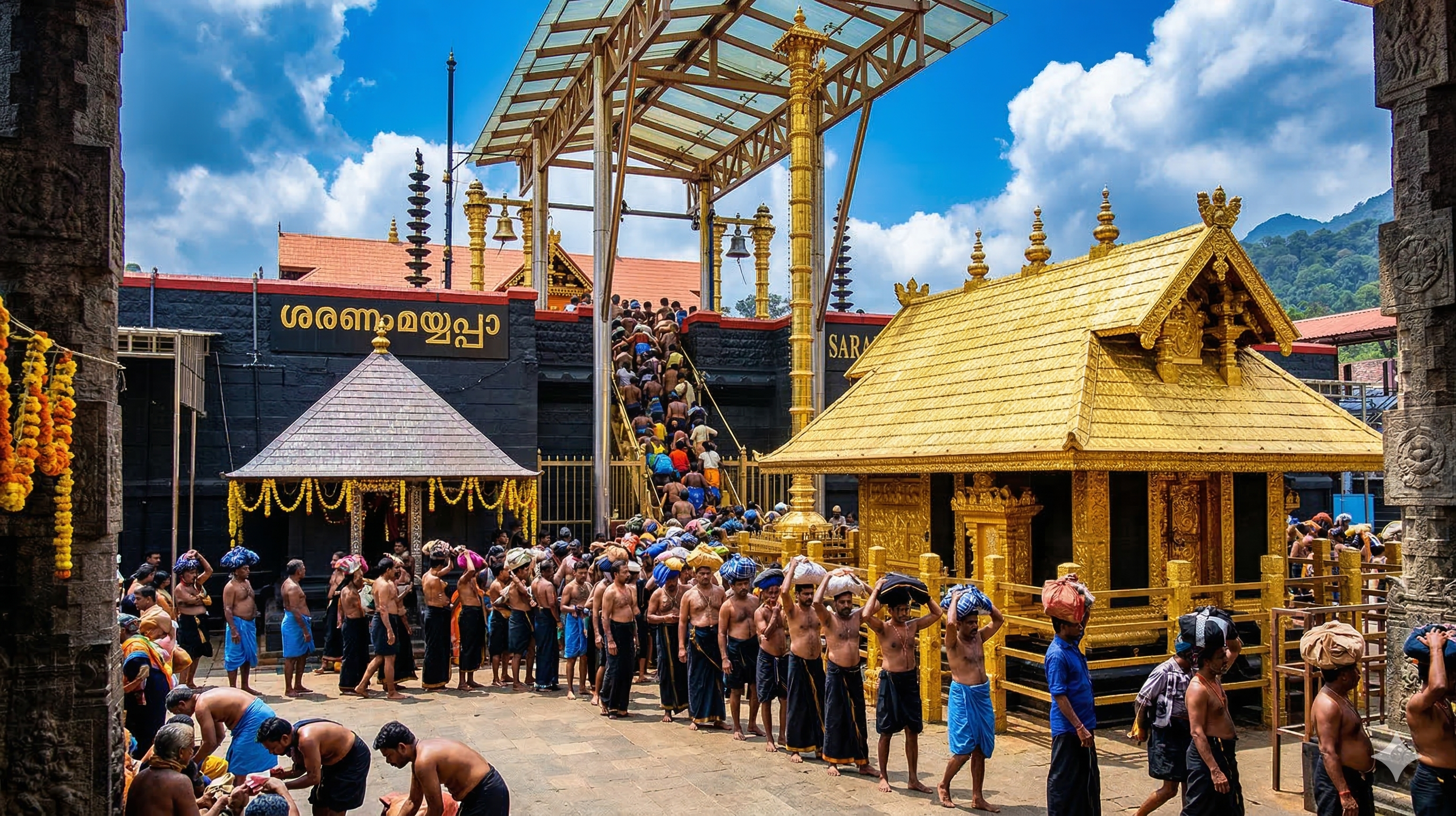
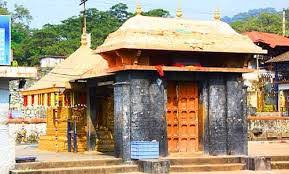
Sannidhanam image connected with the sacred Sabarimala pilgrimage

Malikappuram

Malikappuram is remembered with tenderness and reverence in temple tradition. Many devotees experience it as an important spiritual complement to the visit to Lord Ayyappa, adding a sacred sense of completeness to the pilgrimage.

In devotional understanding, Malikappurathamma is remembered with deep affection. The presence of Malikappuram within the broader sacred geography of Sabarimala reminds pilgrims that the temple experience is rich with layered stories, symbols, and reverential memory.

Malikappuram image related to the Sabarimala pilgrimage

Saramkuthi

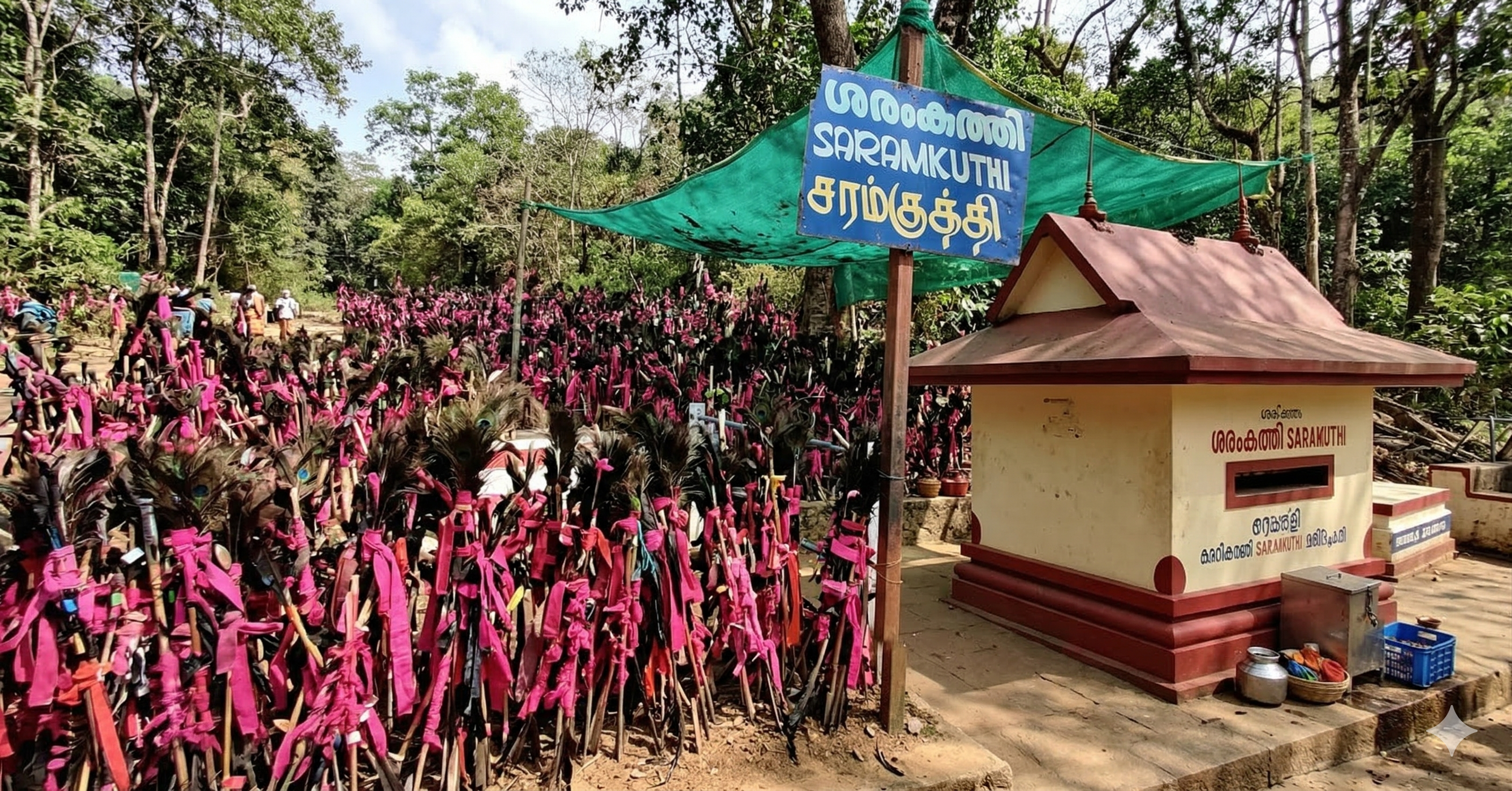
Saramkuthi, often remembered in pilgrimage tradition as a significant point along the sacred ascent, carries devotional meaning for pilgrims approaching the sannidhanam. It is associated in pilgrim memory with the nearing of darshan and the intensifying sacredness of the path.

Places like Saramkuthi matter because the Sabarimala yatra is lived through remembered points, not only the final shrine. Each such place helps the pilgrim feel that the journey is gradually entering holier ground.

Saramkuthi on the sacred ascent toward Sabarimala

Different pathways of the hills

The hill paths of Sabarimala have long been remembered as part of the sacred discipline of the yatra. In devotional language, the pathways are more than routes: they are tests of patience, faith, bodily endurance, and inward steadiness.

The route through Erumeli and the route from Pampa are often remembered differently in pilgrim experience, but both are spiritually meaningful. The hills teach the devotee to reduce complaint, walk with surrender, and continue the chant in all conditions. In that sense, the pathway itself becomes part of worship. The final understanding is not only that the Lord is on the hill, but that the truth of Tat Tvam Asi ripens within the devotee.

Pilgrims moving through the hill path of the Sabarimala journey
Devotional meaning:

Every slope, wait, halt, and climb can be understood as part of the inner yatra from restlessness toward darshan.

Important deities and sacred presence of the Sabarimala pilgrimage

Important deities and sacred presence

Lord Ayyappa is the central deity of the pilgrimage, but the sacred atmosphere of Sabarimala is also enriched by the remembered presence of Malikappurathamma, Ganapathi worship, and the many ritual moments that orient the pilgrim toward humility and grace.

For many devotees, these sacred presences help complete the emotional and spiritual fullness of the visit.

Rituals, stories, and devotional life of Sabarimala

Rituals, stories, and devotional life

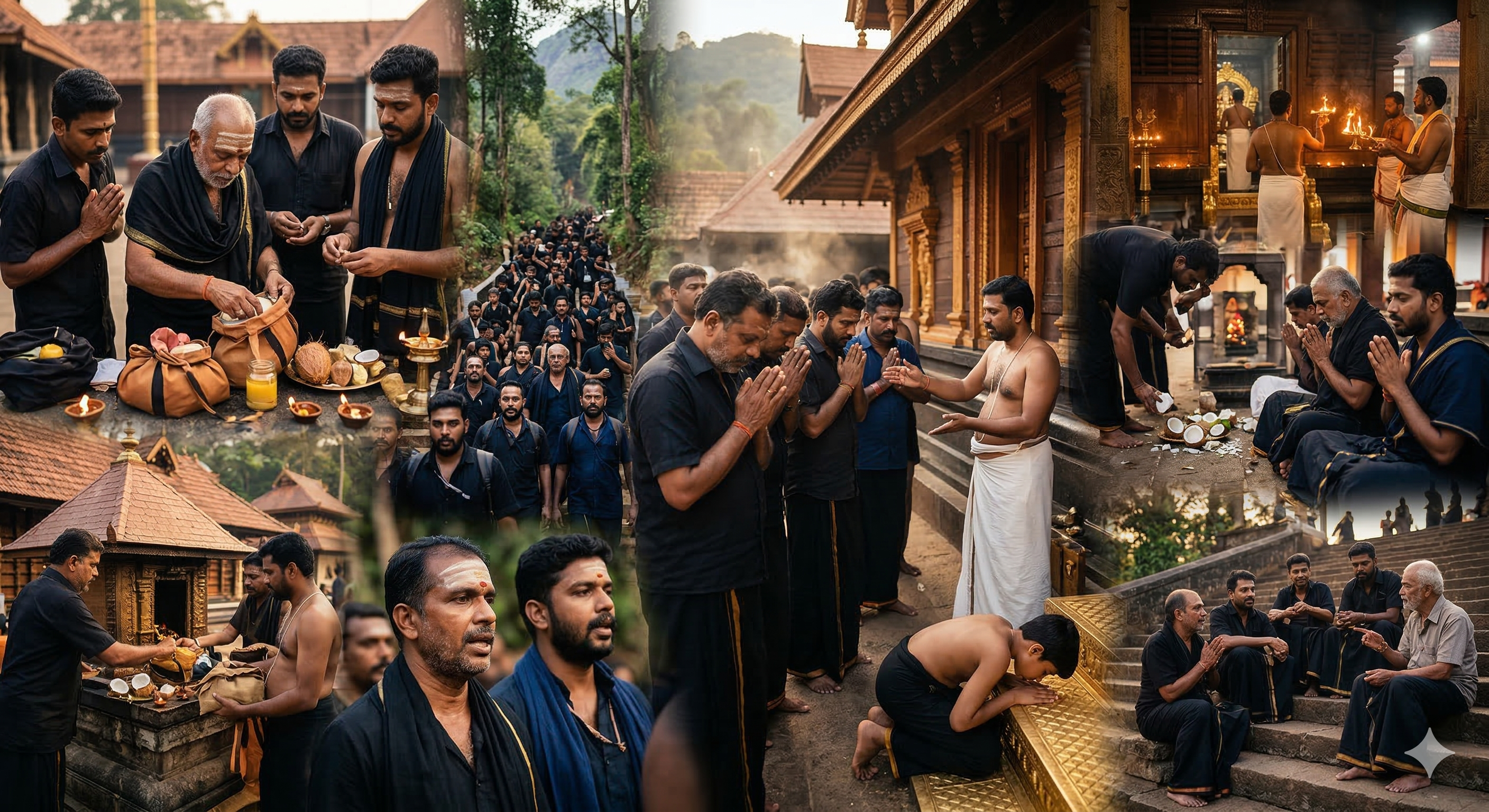
The Sabarimala pilgrimage is carried through rituals such as Vratham, Irumudi preparation, chanting, darshan discipline, offerings, pooja attendance, and reverence at each sacred point. The stories attached to the yatra and its places are preserved through tradition, memory, prayer, and the devotional life of the community.

These rituals matter because they shape the pilgrim's mind and heart before, during, and after darshan.

Other important places in the pilgrimage flow

Along with the sannidhanam, Malikappuram, and Saramkuthi, pilgrims often think deeply about Erumeli, Nilakkal, Pampa, the holy ascent, and the temple surroundings as parts of one sacred map. Each place carries its own role: preparation, gathering, purification, movement, ascent, darshan, and completion.

Explore Sacred Places

Learn More About History and Status

Further temple reading

For more detailed devotional reading on the 18 holy steps, temple rituals, offerings, and important sannidhi points, a separate temple-reference page is now available.

Open 18 Holy Steps and Temple Guide