The Sabarimala pilgrimage is not only a path of devotion. It is also a path of realization. The message written before the Lord is not “come and remain separate,†but “discover what you truly are.â€ÂÂ
What “Thathwamasi†means
Tat
That: the Supreme Reality, the eternal truth, the divine presence the pilgrim seeks.
Twam
You: the individual soul, the seeker, the one who appears limited by body, mind, history, and ego.
Asi
Are: the revealing bridge. The Mahavakya tells the pilgrim that the one being sought and the one who seeks are not finally separate.
Translation:
“Thou Art That†or “You are that which you seek.â€ÂÂ
Becoming “Swamiâ€ÂÂ
From the moment the mala is worn, the pilgrim is no longer addressed by ordinary name alone. Each devotee is treated as “Swami,†reminding the group that the divine is present in every fellow pilgrim.
Chinmudra and Yogasana
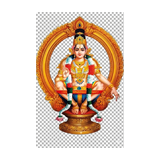
Lord Ayyappa's meditative posture and Chinmudra embody the same realization. The individual finger bends toward the thumb of the Supreme, and separation dissolves into union.
The Irumudi symbolism
The coconut represents the body and ego. The ghee represents the soul. When the ghee is offered in Abhishekam and the shell is emptied, the pilgrim enacts the merging of the individual with the Supreme.
The 18 Holy Steps
The climb itself becomes an ascent out of attachment, anger, pride, and ignorance. The steps are not merely architectural. They are inward stages of purification.
The transformation of the pilgrim
From householder to seeker
The Vratham temporarily loosens worldly identity so the devotee can rediscover a more essential self.
From effort to insight
The forest path, the hunger, the cold bath, the silence, and the chant are not ends in themselves. They prepare the inner instrument for recognition.
From Darshan to living wisdom
The final realization is not “I visited the temple,†but “the discipline has shown me the Lord I was carrying within.â€ÂÂ