Swami SharanamSannidhanam and Sacred Path Back To Pilgrimage Guide
Inner Temple Guide

Sannidhanam, sacred architecture, and the final chants of surrender

The Sannidhanam stands on a high plateau, remembered at roughly 3,000 feet above sea level, where the yatra reaches its final stillness. This page gathers the sacred history, the architecture of the temple complex, the inner landmarks, and the Sarana Vili that rises in intensity as devotees near darshan.

Historical origins and the fire of 1950

According to traditional memory, the original Dharma Sastha presence at Sabarimala is linked with the temples established by Lord Parasurama to guard Kerala from destructive forces. In Sabarimala, Lord Ayyappa is remembered in the Brahmacharya, or celibate ascetic, form.

The modern history of the temple was deeply marked by the devastating fire of 1950, which damaged the sanctum, the idol, and surrounding structures. After that destruction, the temple was rebuilt and the present Panchaloha idol of Lord Ayyappa was consecrated in 1951.

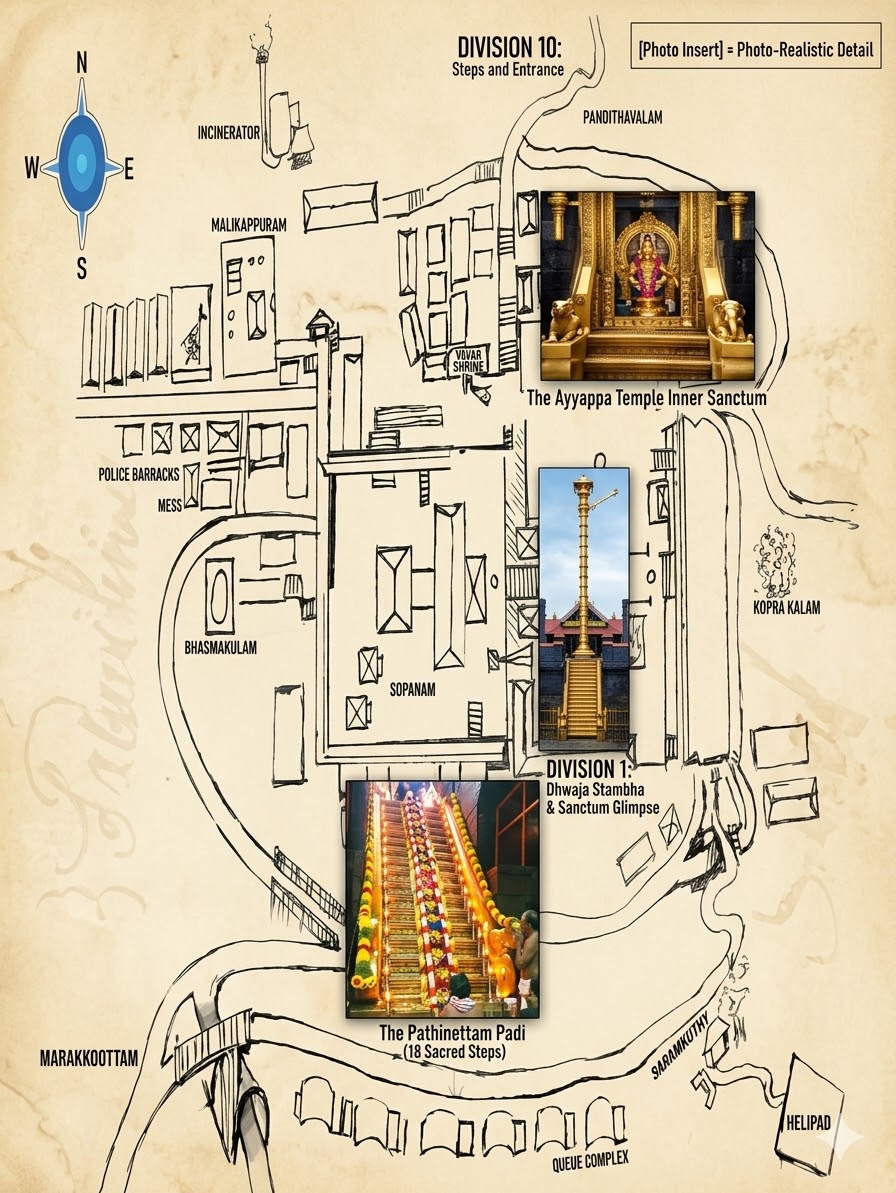
Sannidhanam orientation image connected with the sacred Sabarimala pilgrimage

Why this history matters

The Sannidhanam is not only ancient in memory, but also renewed through collective devotion, rebuilding, and continuity. For devotees, this makes the temple both timeless and living: rooted in legend, yet carried forward by the faith of later generations.

Architectural landmarks of the complex

The Sreekovil

The sanctum sanctorum is the heart of the complex, remembered for its rectangular Kerala form, gold-plated copper roofing, and the shining finial that defines the skyline of Sabarimala.

The golden 18 steps

The Pathinettampadi was originally rough granite but was later encased in Panchaloha in 1985 to protect the steps from heavy wear caused by the devotion of millions.

Kanni Moola Ganapathi

Located to the southwest of the main shrine, this is where devotees pray to Lord Ganesha to remove obstacles before completing darshan.

Manimandapam

Near Malikappurathamma, the Manimandapam is remembered as the meditative seat of the Lord and as the place where the outer mission of Manikandan turns inward into yogic stillness.

Nagaraja and Nagayakshi

The serpent shrines near the holy steps reflect the temple's deep relation to forest worship, fertility symbolism, and nature reverence.

Bhasma Kulam

This sacred pond is remembered as a place of purification before devotees enter the inner temple zones.
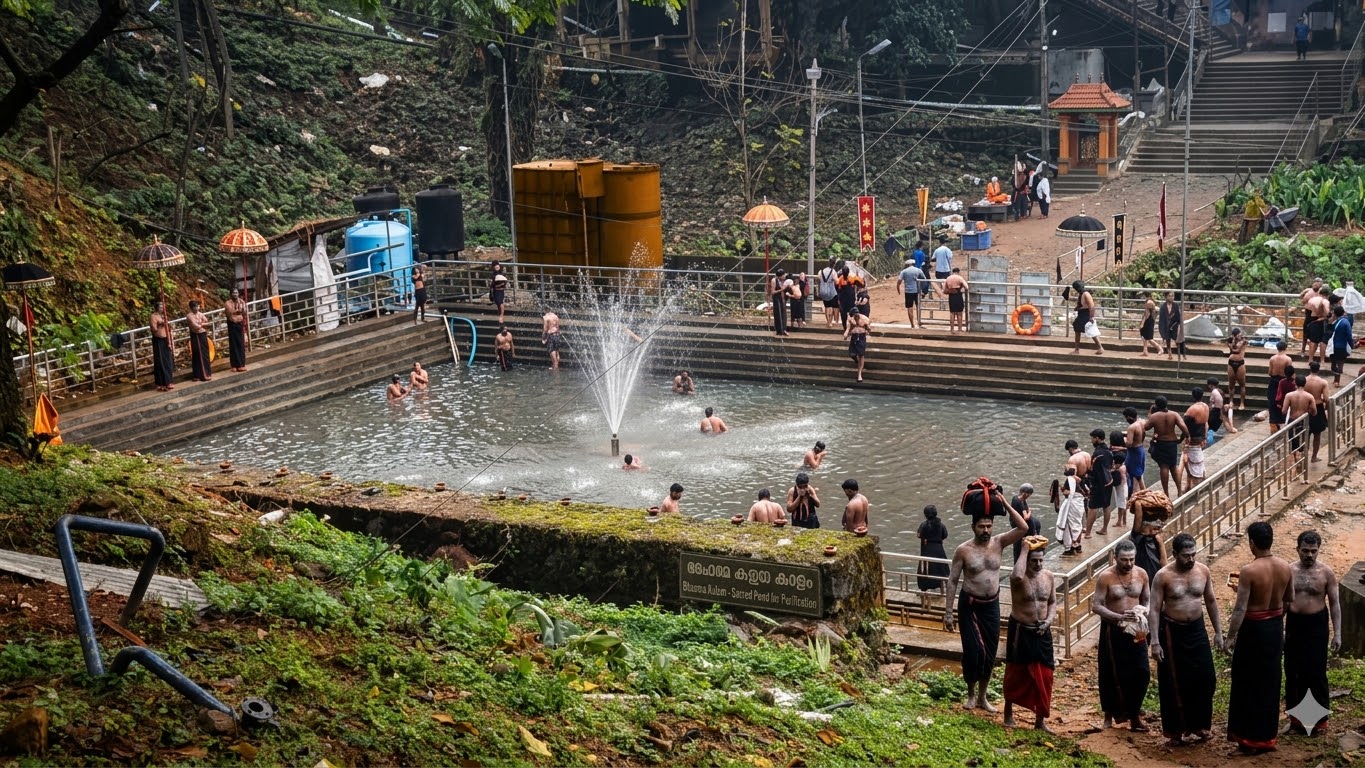
Bhasma Kulam near the sacred precincts of Sabarimala

Malikappuram and Saramkuthi

These remembered points deepen the sacred geography of the final ascent, giving emotional and symbolic depth to the approach toward Lord Ayyappa.

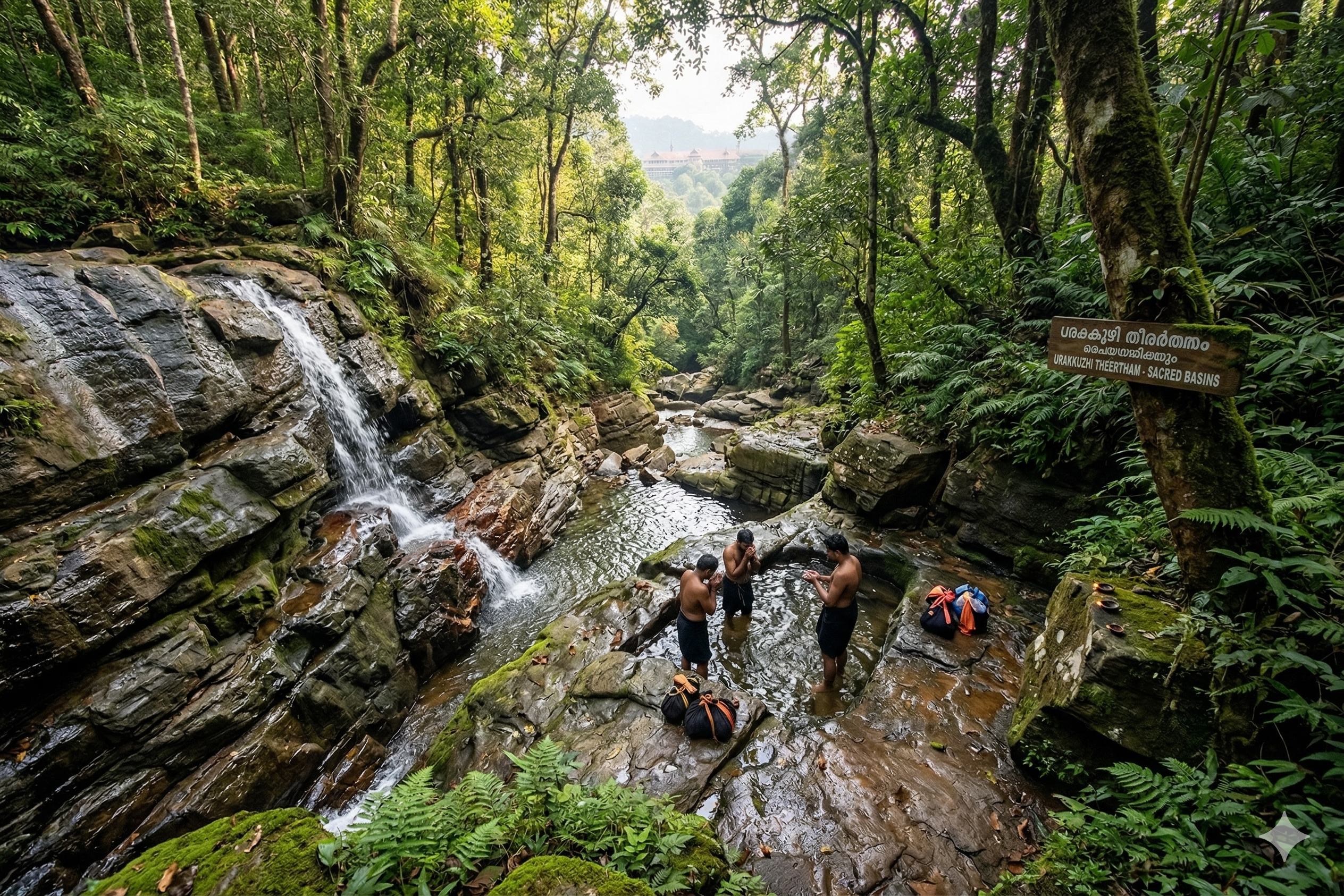
Urakkuzhi Theertham

Behind the Sannidhanam, this forest water source is revered as a cooling and purifying place associated with post-battle stillness and the exhausting final stretches of the trek.
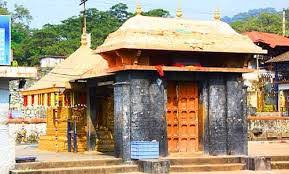
Malikappuram image related to the Sabarimala pilgrimage

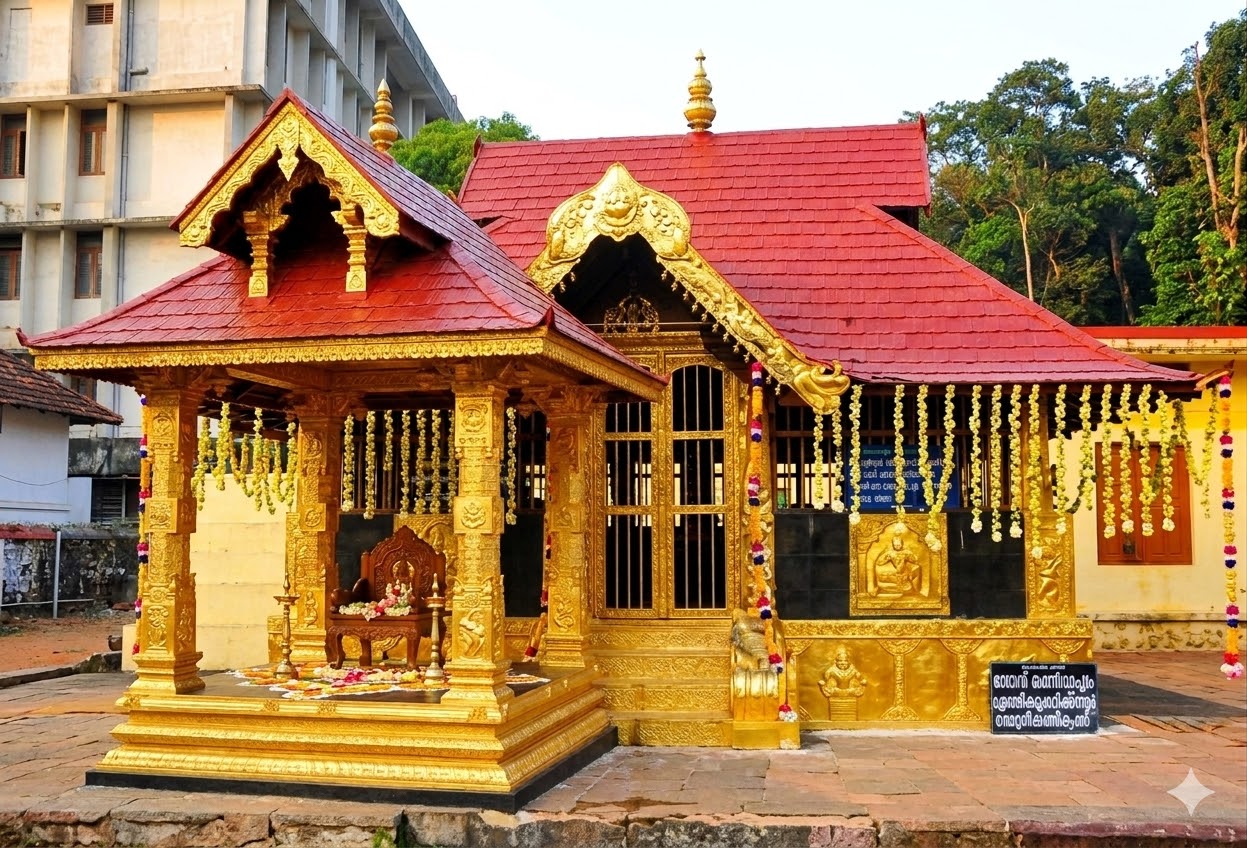
Malikappuram

Malikappurathamma is remembered with deep reverence and affection as part of the fuller sacred life of Sabarimala. For many devotees, the visit to Malikappuram gives emotional completeness to the yatra.

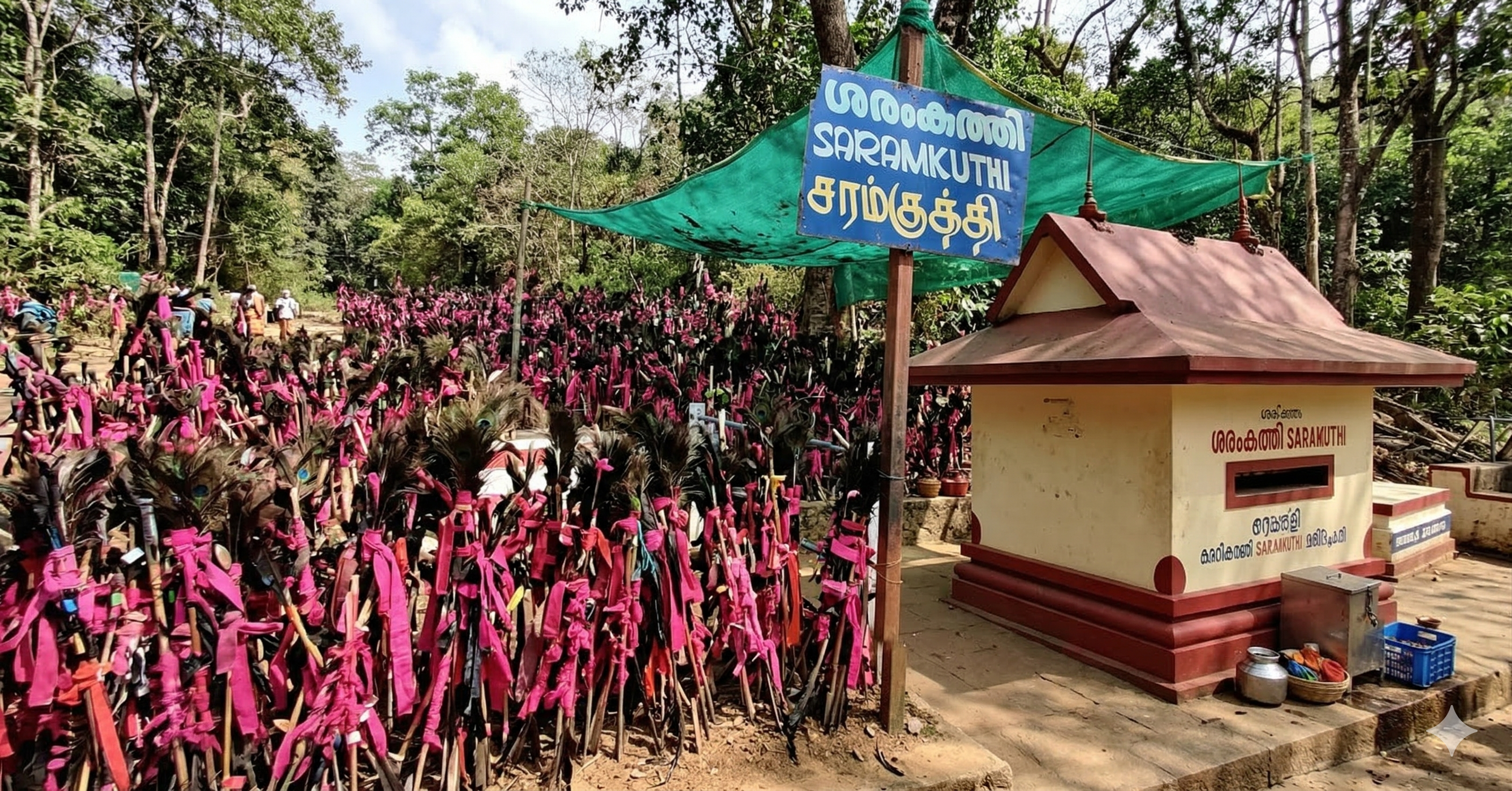
Saramkuthi on the sacred ascent toward Sabarimala

Saramkuthi

Saramkuthi is remembered as the final arrow-offering threshold in the ascent, especially meaningful for first-time pilgrims as the sense of nearing darshan intensifies.

Manimandapam area beside the Sannidhanam

Manimandapam

The Manimandapam stands beside the Malikappurathamma temple and is contemplated as the Lord's meditation seat. Pilgrims often pause here in silence after the main darshan.

Urakkuzhi Theertham behind the Sannidhanam

Urakkuzhi Theertham

Located roughly 900 metres to 1 kilometre behind the Sannidhanam, Urakkuzhi is a forest stream and rock basin remembered for post-battle cooling, purification, and relief after the climb.

Pilgrims who come through the older forest approach traditions often treat this as a deeply moving natural theertham, though the terrain is slippery and the path should be approached cautiously.

Urakkuzhi Theertham: forest-side caution

The water of Urakkuzhi is associated with the Kumbalamthodu forest stream and with a narrow rock basin that admits only one pilgrim at a time. It is best approached in daylight, with patience, and only when movement conditions are calm.

Nature & Wildlife alert: Since Urakkuzhi is located on the edge of the deep forest, pilgrims are advised not to venture there alone after dark. Always go in groups and follow the instructions of the Forest Department officials stationed at Pandithavalam.

Sarana Vili near the final darshan

As the devotee approaches the final zones, the chant becomes stronger, more focused, and more inward. At this stage, even a short call carries the full force of the yatra behind it.

Approaching the 18 steps

"Pathinettampadi Padiyone... Saranam Ayyappa!"

Surrender to the Lord who presides over the sacred Pathinettampadi.

At the Sannidhanam

"Harihara Sutane... Saranam Ayyappa!"

Surrender to the son of Hari and Hara as the spiritual climax of the yatra is reached.

The universal cry

"Swamiye... Saranam Ayyappa!"

The final all-embracing call of surrender, repeated with greatest intensity in the temple atmosphere.

Inner meaning

Tat Tvam Asi

The yatra culminates not only in seeing the Lord, but in receiving the reminder that the divine truth sought outside must also awaken within.

Continue your reading through the connected temple pages

Read this page together with the Holy Steps guide, the Manimandapam page, the Erumeli route guide, and the Pampa ascent pages so the full journey remains connected from outer forest path to inner temple realization.