Sacred Sabarimala Route - Key Places
Tap a route point below to see the place description in the selected language. This section works cleanly with ?lang=ml, ?lang=ta, ?lang=te, and ?lang=kn without mixing languages on the same panel.
These sacred places are remembered not only as route points, but as spiritually meaningful stages of the Sabarimala pilgrimage.
These places are best understood as a connected devotional route rather than separate stops. The pilgrim mood deepens gradually through each point of travel.
Tap a route point below to see the place description in the selected language. This section works cleanly with ?lang=ml, ?lang=ta, ?lang=te, and ?lang=kn without mixing languages on the same panel.
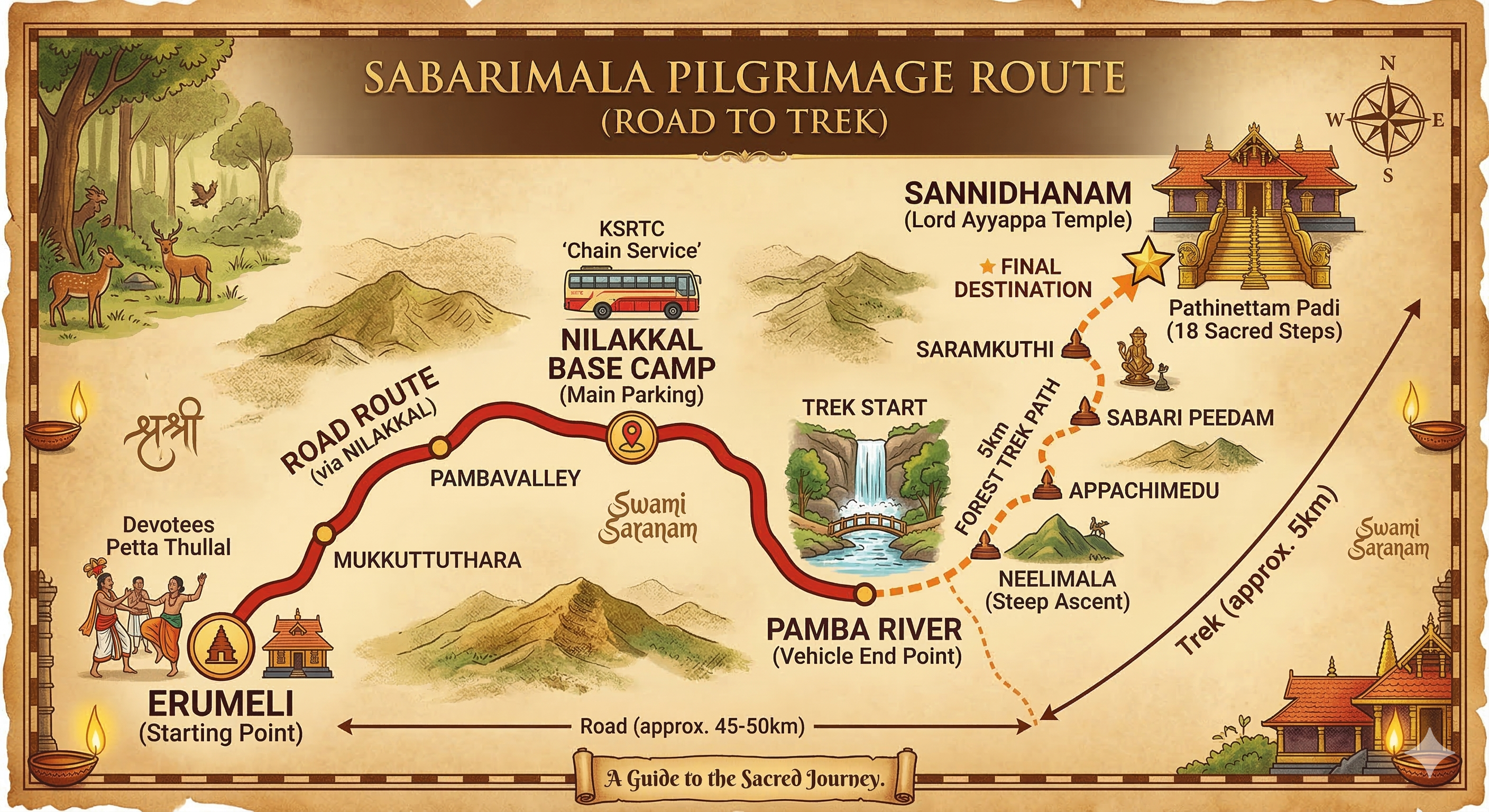
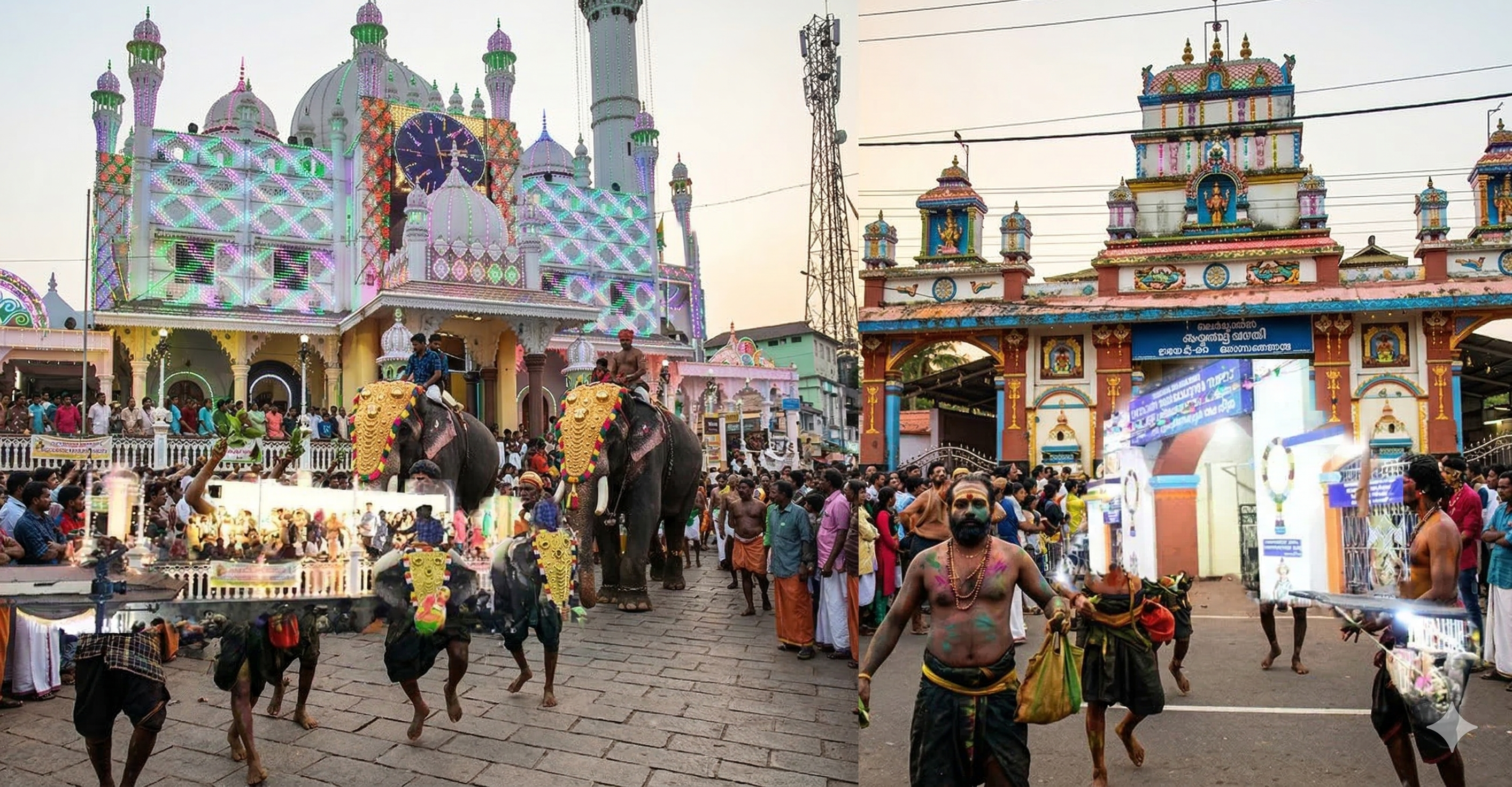
Erumeli is remembered as the sacred gateway where the pilgrim spirit awakens through Petta Thullal, Vavar reverence, and the traditional onward movement into the yatra.
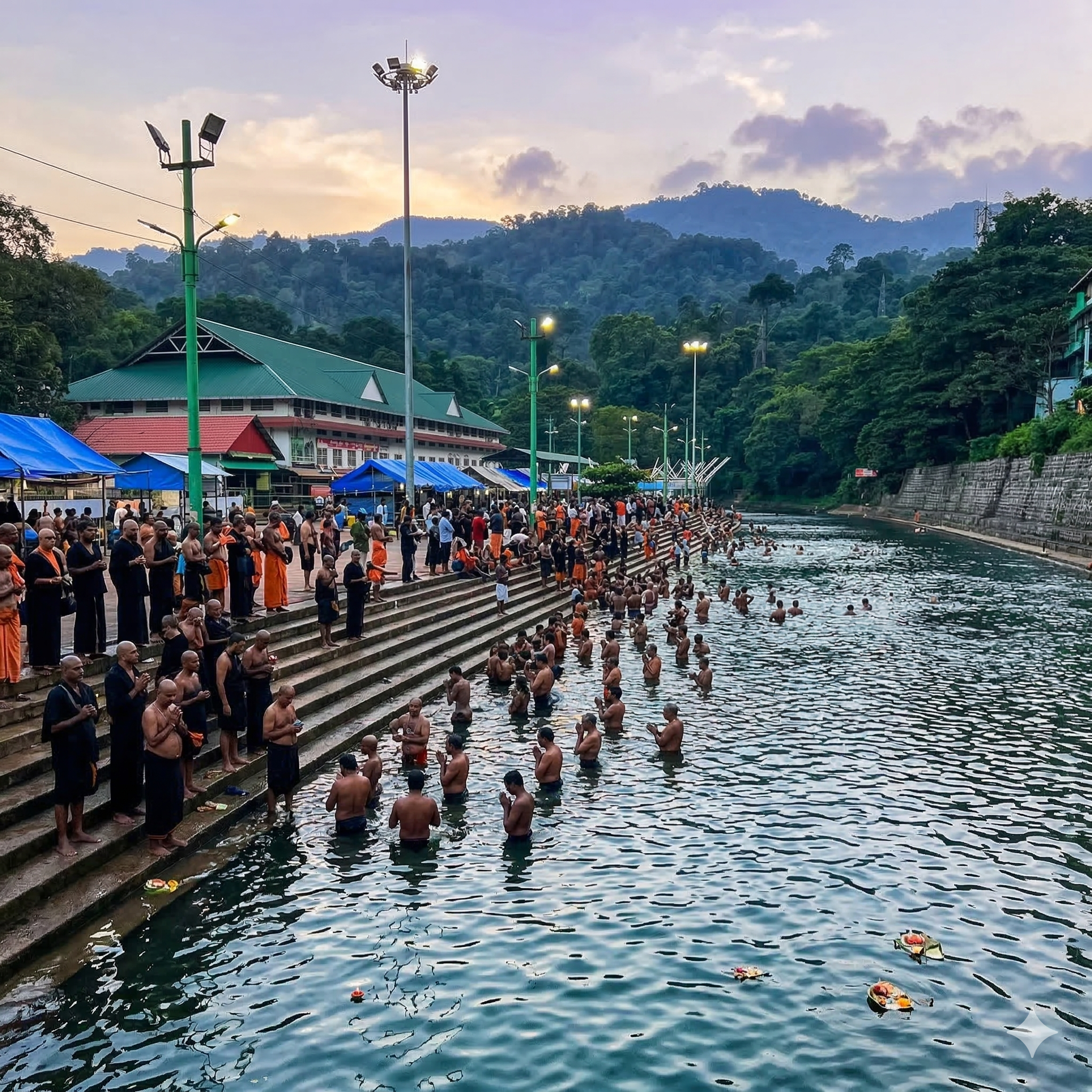
Pampa is one of the most sacred emotional thresholds of the yatra. Devotees remember it as a place of purification, surrender, and preparation before the final ascent.
In pilgrimage memory, Pampa is also associated with the place where King Rajasekhara found the divine child Ayyappa.
At Pampa, devotees further remember three sacred moods: Pampa Vilakku at sunset with lamps inviting the Lord's presence, Pampa Annadhanam as the holy act of shared feeding (with Kanni Swamis honored first), and Pitru Tarpanam - offerings for departed ancestors before the final climb.
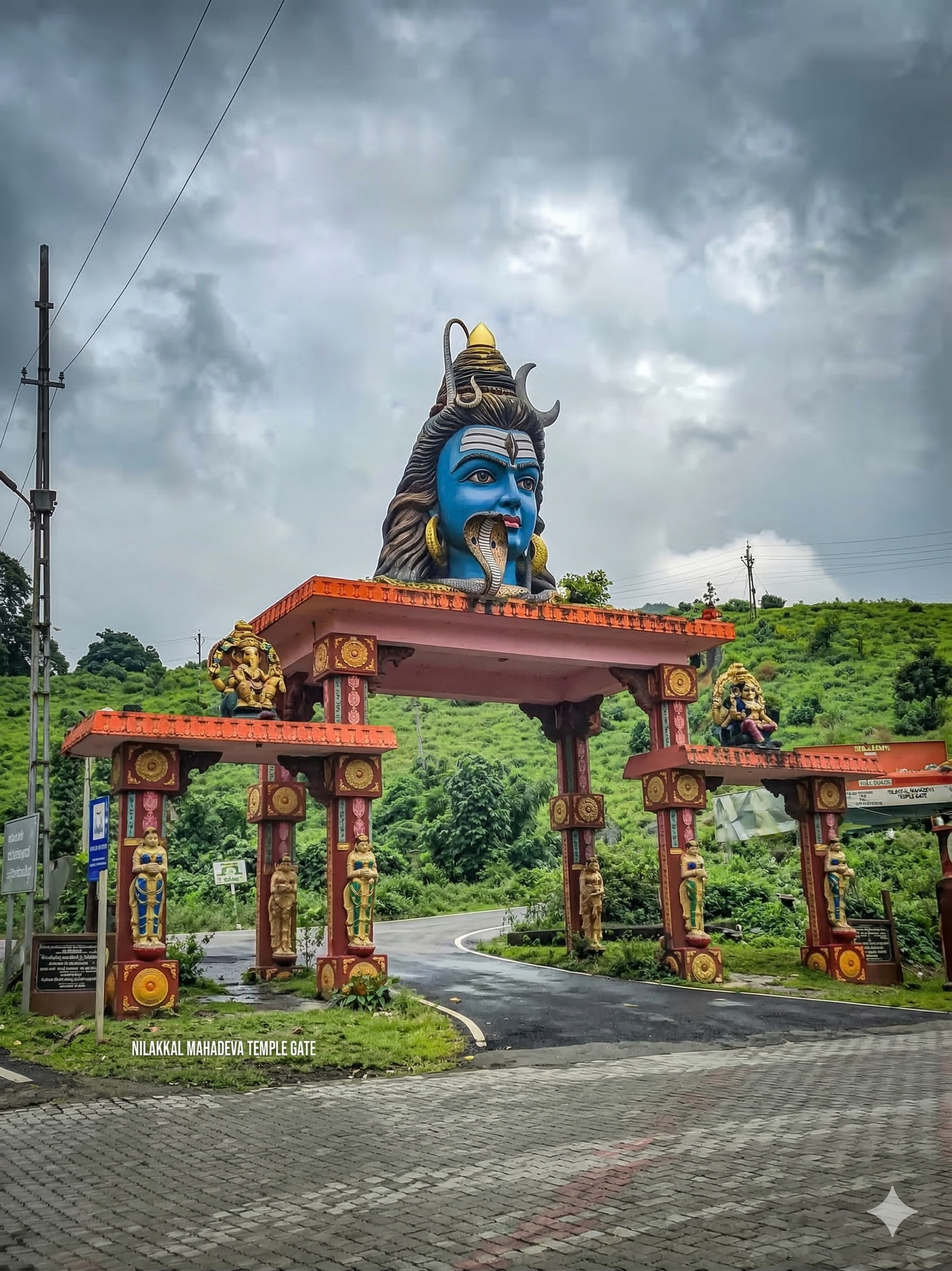
Nilakkal serves as an important practical access point for many pilgrims. It supports movement, rest, and onward travel planning while still remaining part of the larger devotional journey.
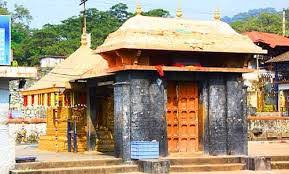
Malikappuram adds tenderness and sacred completeness to the temple visit. Many devotees remember it with affection and reverence as part of the overall Sabarimala experience.
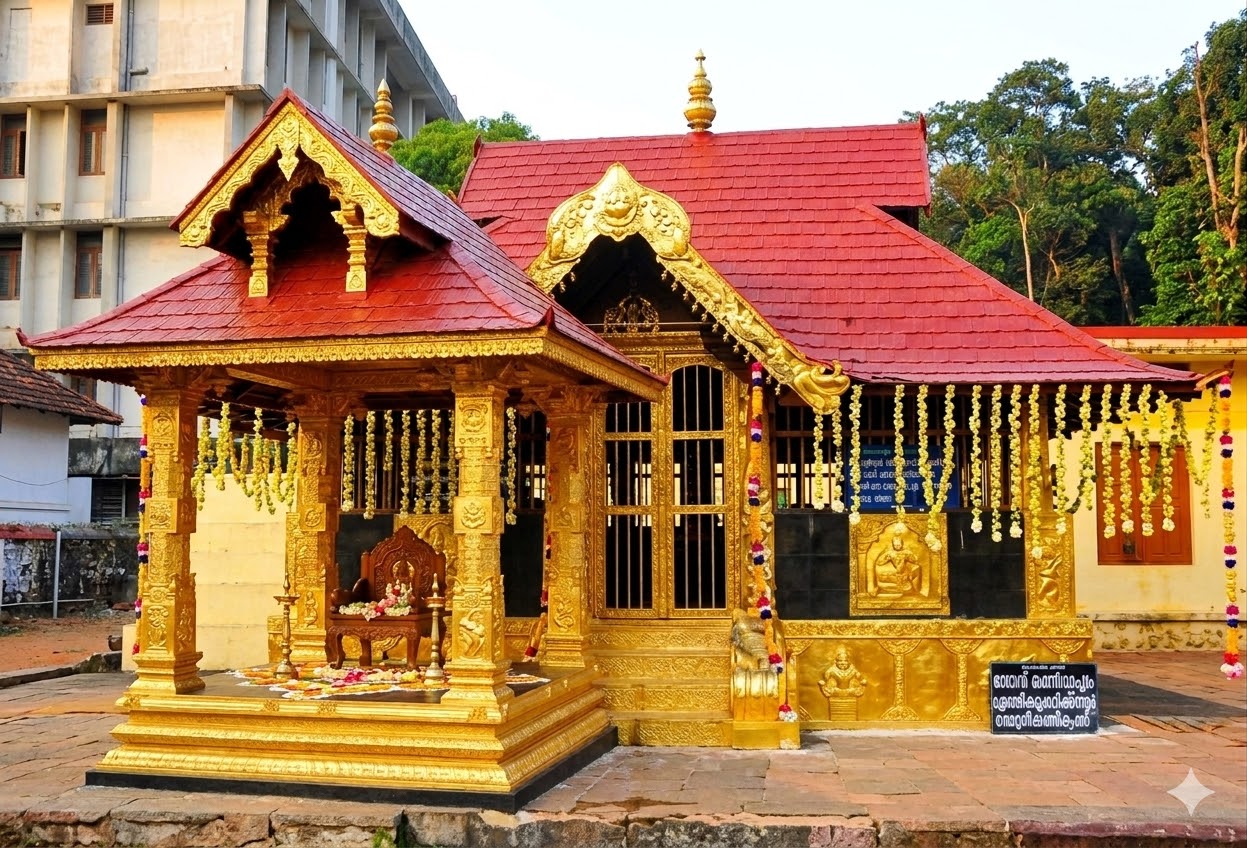
The Manimandapam is remembered as the Lord's meditation seat beside Malikappurathamma, where the pilgrimage receives an inward pause after the main darshan.
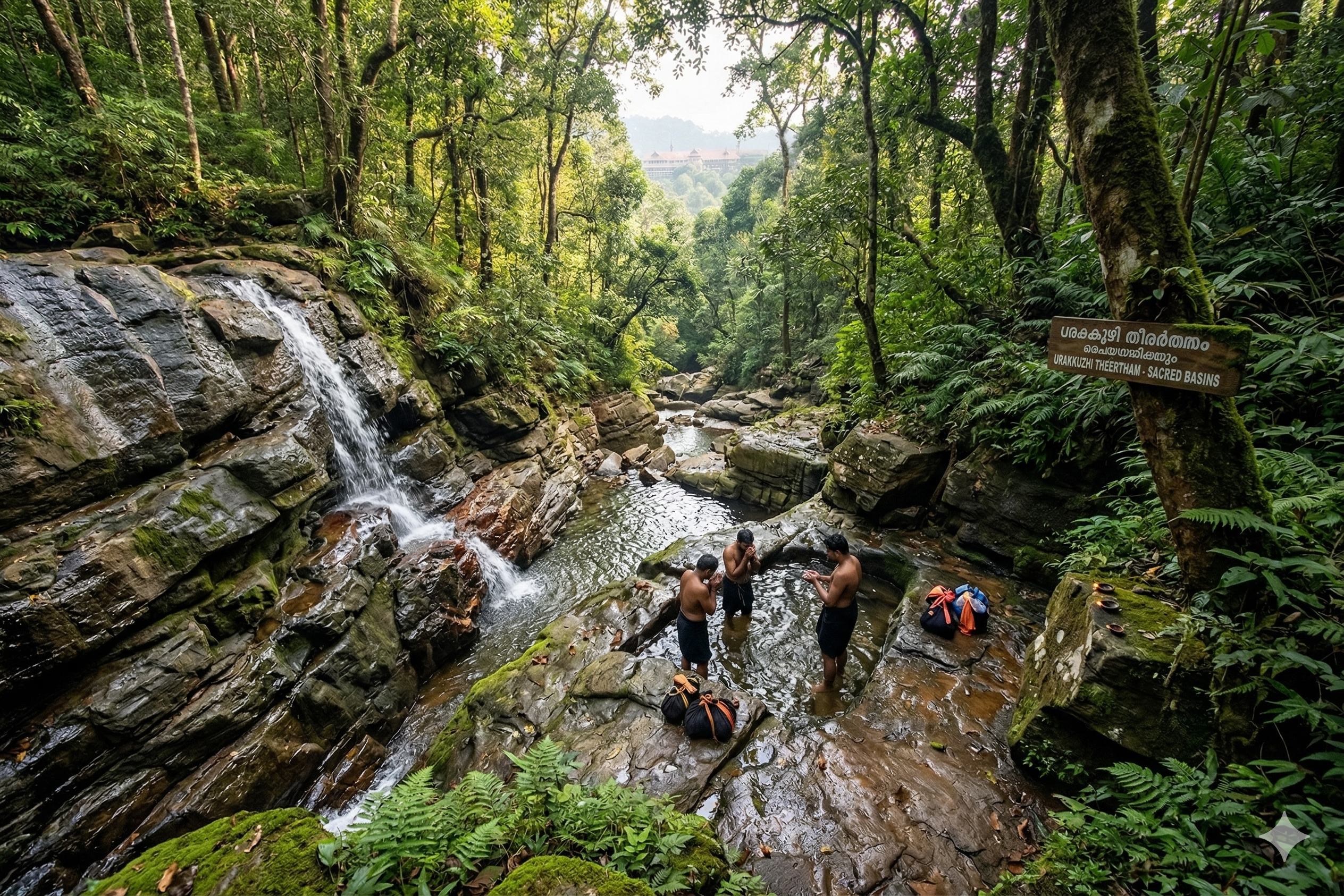
This hidden forest theertham behind the Sannidhanam is cherished as a cooling and purifying water source for pilgrims familiar with the older sacred geography.
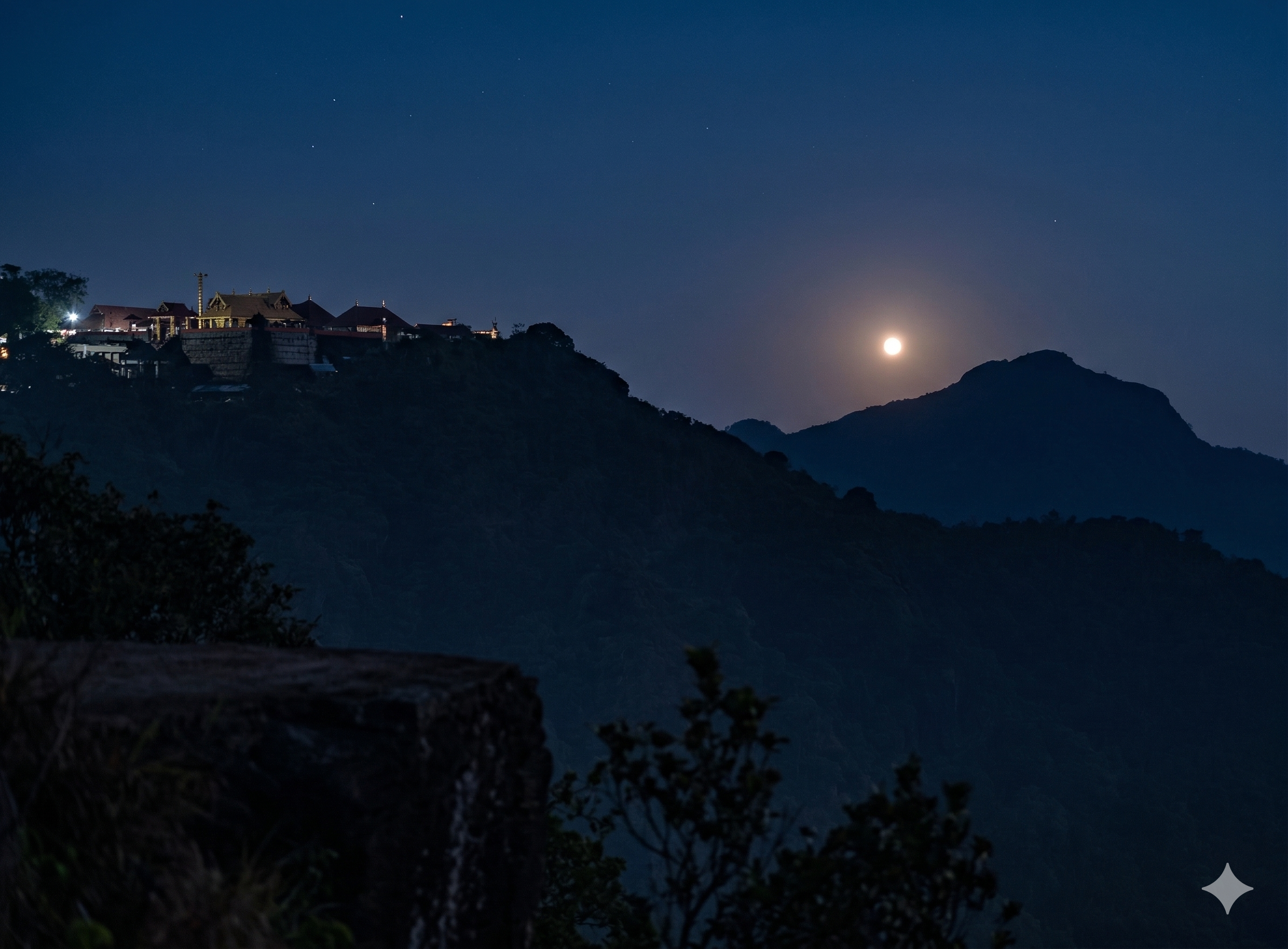
The protected hill of Ponnambalamedu is one of the most emotionally charged points in the sacred geography because it is associated with the Makaravilakku sighting.
Appachimedu is the steepest and most physically demanding part of the climb, remembered for the appam offering into the ravines and the need for careful pacing.
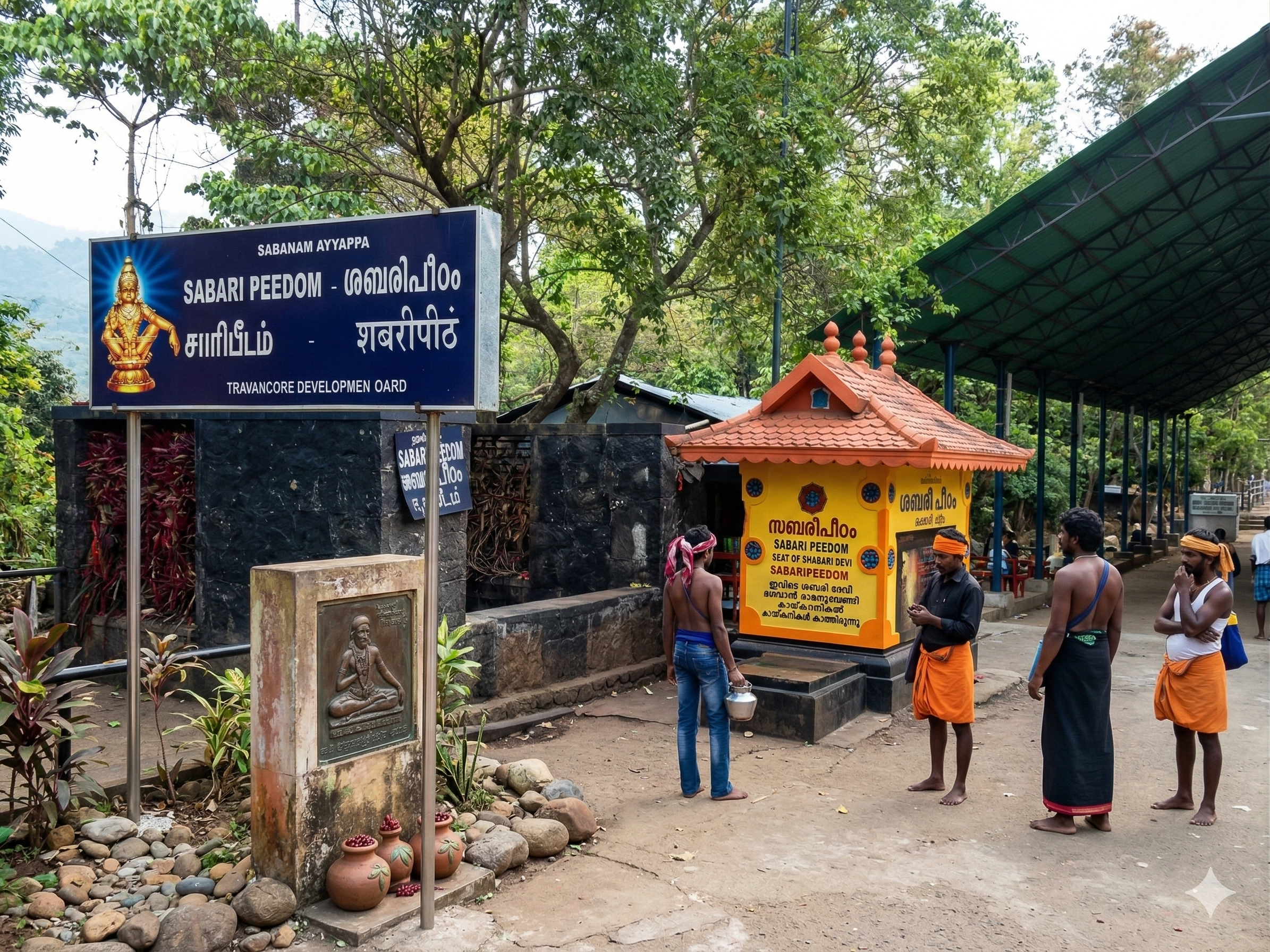
Sabaripeedom is the resting and prayer point after the steep zone, where pilgrims remember Saint Sabari and prepare inwardly for the final approach.
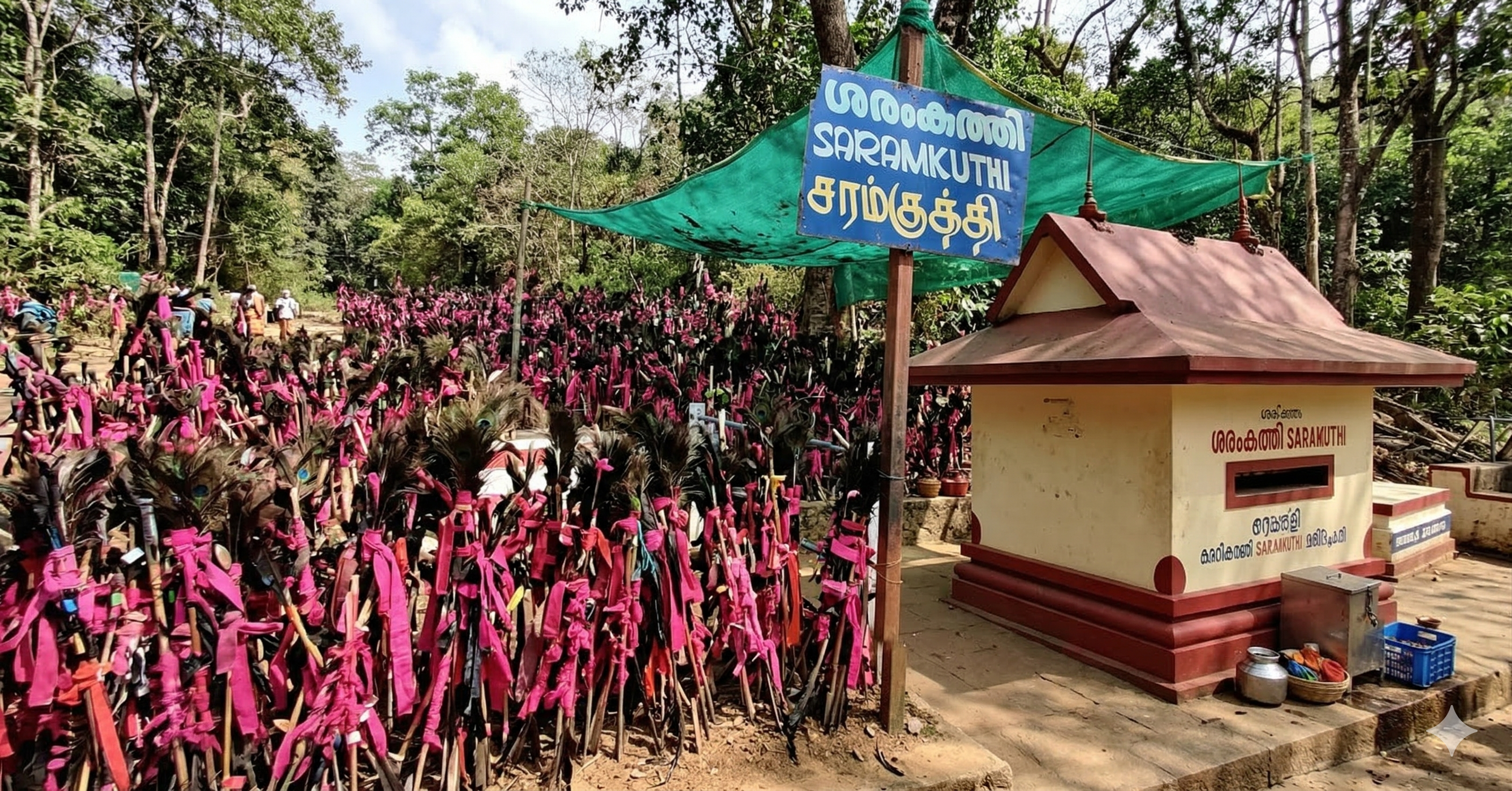
Saramkuthi is the final milestone where the Kanni Ayyappan offers the wooden arrow before moving toward the 18 Holy Steps and the Sannidhanam.
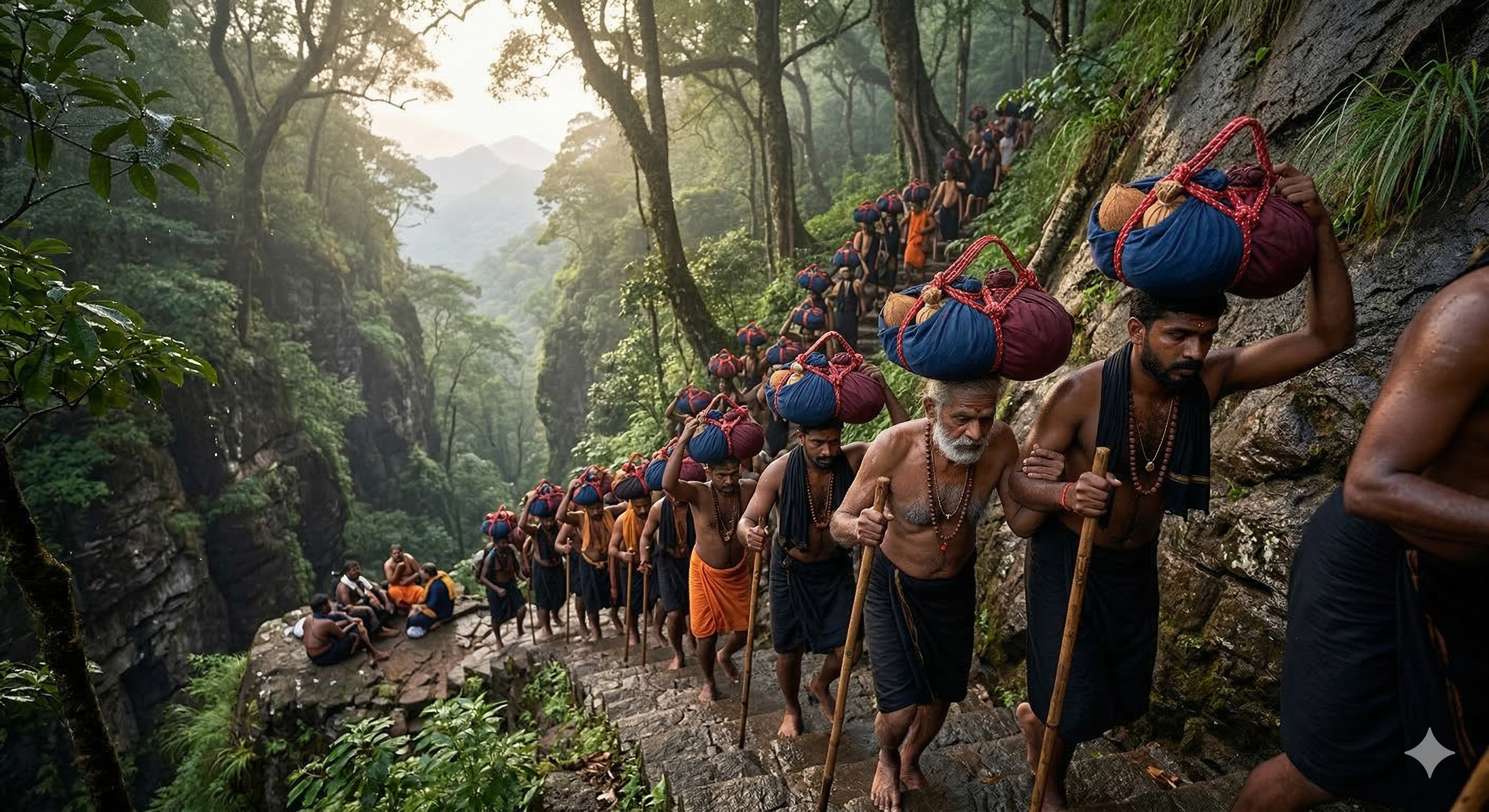
The route through Erumeli is regarded in tradition as the path taken by Lord Ayyappa to subdue Mahishi. It is remembered as the toughest route, crossing forest and hill stretches in a deeply devotional atmosphere.
Perur Thodu is remembered as the place where Ayyappa rested. The forest beyond it is lovingly called Poongavanam, meaning Ayyappa's garden.
Kaalaketti is linked in temple memory with Lord Shiva witnessing the destruction of Mahishi. Pilgrims offer prayer, light camphor, and break coconuts here.
Azhutha River is remembered as a sacred tributary of Pampa. Take a holy dip, then pick up a small pebble from the riverbed as a reminder of letting go.
Kallidumkunnu is remembered as the "Hill of Stones." Drop your pebble here, symbolizing the casting off of your past sins and remembering the fall of Mahishi.
Inchipparakotta and Karimala mark the descent and the demanding hill stretch where devotees continue the chant "Swamiye Saranam Ayyappa" through fatigue and endurance. Karimala is often remembered as the most grueling ascent (described in stages), and devotees maintain continuous Saranam to overcome physical exhaustion.
Neelimala leads onward from the Pampa region toward the sannidhanam. As pilgrims approach, Appachimedu (Appachi/Ippachi Kuzhi) is remembered where appam, avil, or parched offerings are cast into the ravines before the pilgrim continues toward the Lord.
At Sabaripeedom / Sabari Peetam, devotees pay respects where saint Sabari performed her penance. At Saramkuthi, Kanni Swamis leave their ceremonial wooden arrows, marking their transition into the final sacred climb.
The climax is the Holy 18 Steps (Pathinettampadi), where only those carrying the Irumudi kettu may ascend. Each step is revered as overcoming a human limitation - senses, emotions, and inner qualities - and the Neyyabhishekam / ghee abhishekam poured over the Lord symbolizes total union with the Divine.
Pilgrim's tips for the long trek: Chant constantly as a rhythm for mind and body, travel in groups by staying with your Guruswamy and fellow devotees, and respect the jungle as a sanctuary - avoid plastic and keep the Poongavanam clean.
For devotees who want the connected order from Pamba Triveni and Ganapathy to Sabari Peetam, Saramkuthi, the 18 holy steps, Malikappuram, Vavar Swamy, and Manimandapam, the route now has a focused page that keeps the sacred landmarks together.
Pilgrims who find the climb difficult can now move directly from the sacred-route pages to the official prepaid dolly service guide, with TDB counters, rates, and receipt guidance in one place.
Open the extended pilgrimage reference pages for more on Appachimedu, Sabaripeedom, Saramkuthi, Sannidhanam, Malikappuram, Manimandapam, Urakkuzhi, and festival landmarks.